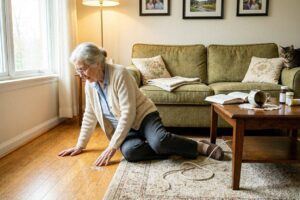
 Mechanical falls are more common than you’d think, especially among seniors at home. A mechanical fall happens when someone trips, slips, or loses balance due to physical environment factors, rather than medical conditions or illnesses that cause an unexpected loss of consciousness. It’s crucial to know exactly what we’re dealing with here, as it helps us figure out how to prevent them.
Statistics paint a clear (and frankly, concerning) picture. Falls are the leading cause of injury among older adults. The National Council on Aging reports that every 11 seconds, an older adult is treated in the emergency room for a fall. These numbers tell us that we can’t just sit back and hope for the best. It’s time to understand and address this issue head-on.
Affiliate Disclosure: This post contains affiliate links. If you purchase through one of these links, I may earn a commission at no additional cost to you. As an Amazon Associate I earn from qualifying purchases.
While mechanical falls are triggered by external factors, they differ from other falls. For instance, a fall caused by fainting or a stroke is not a mechanical fall. The key distinction is that mechanical falls are preventable by modifying the environment or the person’s behavior in that environment. This makes them a significant focus for fall prevention efforts.
Understanding the causes behind mechanical falls can play a crucial role in prevention strategies. When we know what’s causing these falls, we can take the necessary steps to alter our surroundings and behaviors to keep everyone safer. Whether it’s rearranging furniture, improving lighting, or just being more aware of tripping hazards, understanding these causes gives us a big advantage in keeping senior folks safe.
Risk Factors: Why Seniors Are More Prone to Mechanical Falls
Aging does its own thing to our bodies, and not always in ways we appreciate. For seniors, balance and coordination can take a hit as muscle mass shrinks and reflexes slow. This natural decline makes them more vulnerable to mechanical falls. Staying steady might not be as easy as it was in the younger days, but understanding these changes can help in managing the risks.
Certain medical conditions also play a big role. Think of issues like arthritis or Parkinson’s disease, which affect movement and flexibility. Or even inner ear disorders that mess with balance. These conditions increase the likelihood of a mechanical fall because they make it harder to react to uneven floors or obstacles lying around.
Medication is another piece of the puzzle. Some prescriptions can mess with coordination or cause dizziness. Blood pressure meds or those treating anxiety and sleep disorders can sometimes have those side effects. It’s super important to have regular check-ins with healthcare providers to manage any potential risks from necessary medications.
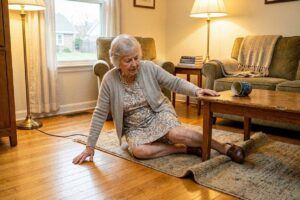
And let’s not underestimate the environment at home. Homes are packed with tripping hazards, from cluttered walkways to loose rugs or poorly lit stairs. All of these can triple the risk of a mechanical fall if not addressed. Taking stock of the home setup and clearing these hazards can make a world of difference.
Prevention and Safety: Strategies for Minimizing Fall Risks
Making a home senior-friendly isn’t just a one-and-done task. It requires regular home safety assessments to catch any potential tripping hazards that might show up. Start with the basics: ensure pathways are clear, both indoors and out. Even a stray shoe or a bit of clutter can spell trouble.
Investing in some handy equipment can really make a difference. Grab bars in the bathroom, non-slip mats under rugs or on slippery surfaces, and well-lit walkways are simple changes that can have a big impact on safety. These items are easy to find and could prevent a nasty fall.
Exercise might sound like a hard sell, but it’s a valuable tool in keeping folks on their feet. Balance and strength exercises, tailored specifically for seniors, can build confidence and improve stability. Whether it’s yoga or tai chi, these activities can be both fun and beneficial. The shoes they wear are also important and so often missed in the assessment.
Education is key, too. Caregivers and family members should be looped in on all the preventive measures. This helps create a supportive environment where everyone’s playing a role in preventing falls. Simple awareness can be a game-changer. Families can work together to decide on the changes needed and stay vigilant about potential hazards.
Creating a Supportive Environment: Empowering Seniors at Home
 Open and honest communication between seniors and their caregivers makes a world of difference. It’s not just about pointing out hazards—it’s about working together to make decisions and keep everyone informed. Encouraging this dialogue can create a sense of security and build trust.
Regular health check-ups and reviewing medications are essential steps in ensuring seniors’ safety. Health evolves, and so do the effects of the medications seniors might take. Keeping doctors in the loop about any changes in mobility or balance can lead to timely modifications of treatment plans or medications. Read my article on Symptoms of Syncopal Falls in the elderly.
Smart technologies are becoming more user-friendly and tailored to senior needs. Devices like fall detection alarms, medication reminders, or even automated lighting systems can relieve some of the stress on both seniors and their families. Technology doesn’t have to be intimidating. Many modern solutions are intuitive and designed to fit seamlessly into everyday life. Read my article on how smart home devices can help prevent serior falls.
Community resources and support groups provide additional help and reassurance. Whether it’s a local group that meets weekly or an online forum, having a support network can help seniors feel less isolated and more engaged. It’s about being part of a community that understands and shares similar experiences. This connectedness can lend a sense of empowerment and control over their living situation.