
Creating a fallproof living room is one of the simplest and most effective ways to help older adults stay safe and independent at home. Over my years as a safety professional and emergency responder, I’ve seen just how many preventable falls happen right in the living room, often the place where you probably relax the most. The tips in this guide can help prevent injuries and give you and your family more peace of mind.
Affiliate Disclosure: This post contains affiliate links. If you purchase through one of these links, I may earn a commission at no additional cost to you. As an Amazon Associate I earn from qualifying purchases.
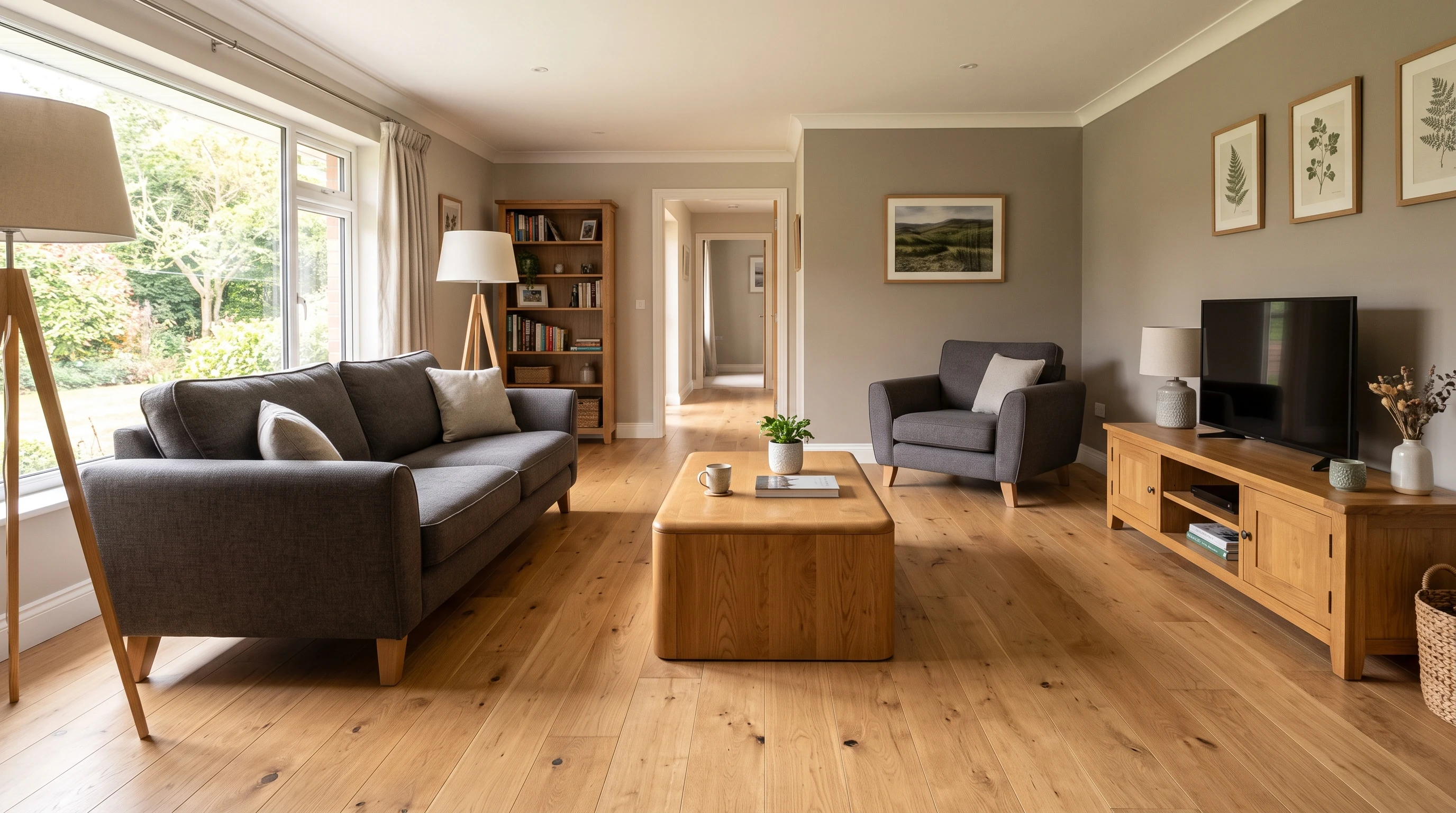
Why Living Room Falls Happen, and Why Prevention Matters
Living rooms might not seem like the most dangerous spot in the house, but they’re where a lot of daily activity happens. This means more opportunities for clutter, poor lighting, and tripping hazards. Most falls aren’t caused by one big issue.
Usually, it’s a mix of little things that add up, like loose rugs or hard-to-reach light switches. Falls in this area can lead to serious injuries, but almost all of these risks can be reduced with some practical changes.
Every year, millions of older adults are treated for fallrelated injuries, and a large portion of these incidents start in the living area. Evidence shows that simple modifications, such as improving lighting and removing clutter, can reduce the risk of falling by a huge margin.
It’s not about remodeling the whole house. It’s about making smart, affordable adjustments that actually work, giving everyone in the household some extra reassurance.
Key Steps to a Fallproof Living Room
Tackling fall hazards step by step keeps things manageable. Whether you’re updating your own living room or helping a loved one, here are the basics to focus on first:
- Clear Walkways: Keep paths open by moving footstools, children’s toys, and piles of magazines out of the way. If you use a walker or cane, make sure there’s plenty of space to get around easily.
- Secure or Remove Rugs: Loose throw rugs slide around and are among the most common trip hazards. Use nonslip backing or, better yet, skip the rugs altogether.
- Stable Furniture: Heavy, sturdy furniture reduces risks. Wobbly chairs or tables should be fixed or replaced, especially near pathways.
- Better Lighting: Adjust lighting so the entire room, especially pathways, are bright and easy to see. Plugin night lights and motion sensors near the entrance add extra brightness if you get up at night.
- No Clutter: Regularly tidy up. Even something as small as a charging cable can catch a toe and cause a fall.
Each small change gives a boost to safety and confidence at home.
Warning Signs Your Living Room Isn’t Fall Proof
A living room with safety hazards may not always look dangerous at first glance. Here are some red flags to keep an eye out for:
- Stacks of books or newspapers on the floor
- Dimly lit corners or burnedout light bulbs
- Furniture that shifts or tips easily
- Electrical cords stretched across walkways
- Low, deep couches or chairs that make sitting or standing difficult
- Unstable coffee tables or pieces that block main walking routes
If you spot any of these, it’s a good idea to take action. Even one small change, like plugging in a brighter lamp, can help lower fall risk.
Common Mistakes to Avoid
I’ve noticed a few pitfalls that families and older adults run into when trying to make their living room safer. Here are mistakes worth avoiding:
- Overlooking Small Hazards: Sometimes it’s the tiniest things, such as a curled corner on a rug or a pet toy in the walkway, that cause trouble.
- Trying to Rearrange Heavy Furniture Alone: Lifting or shifting big chairs or sofas can be risky. Always ask for help to move large items safely.
- Ignoring Lighting: Many people underestimate how much easier and safer it is to walk through a welllit room.
- Not Asking for Input: Getting feedback from family members or anyone else who uses the space can help spot hidden hazards or accessibility issues.
- Choosing Style Over Safety: Trendy, low chairs may look good, but they’re tough to get up from, especially with weaker muscles or joint stiffness.
Practical Living Room Modifications for Fall Prevention
Simple fixes go a long way. Here’s a checklist you can tackle over a weekend without breaking the bank or needing to hire a contractor:
- Move furniture to create wide, straight paths between rooms and main sitting areas.
- Replace glass coffee tables or pieces with sharp edges with softer, rounded furniture instead.
- Add adhesive, nonslip strips under runners, mats, and small landing rugs, especially at entryways.
- Install brighter light bulbs and always keep spare bulbs handy for quick replacements.
- Use cordless phone handsets or keep your phone within easy reach of your favorite chair.
- Remove carpet and go to hard floors.
- Keep home emergency numbers near the phone or in a visible spot.
- Consider a lightweight reacher if you need to grab items on high shelves or across the room.
- Store remote controls, glasses, medications, and other essentials within arm’s reach.
- Put pet beds or favorite pet toys in a corner or area that isn’t a main walkway to help keep floors clear.
If bigger changes are needed, like new flooring or builtin lighting, it can help to connect with a certified aginginplace specialist. But for most homes, quick updates make a big difference and give you immediate results.
What Older Adults and Caregivers Should Discuss with Professionals
Some factors that increase the risk of falls can’t be fixed just by moving furniture. Regular checkins with healthcare providers make a big difference, especially if there are changes in balance, medication, or vision. Here are some important topics to bring up:
- How medications might affect balance or alertness
- Vision checks to make sure any changes are addressed quickly
- Physical therapy or balance exercises
- Footwear recommendations for use inside the house
- Benefits of a home safety assessment
Sharing your concerns openly with doctors, occupational therapists, or physical therapists keeps everyone working together to reduce fall risk. Bringing up even small balance issues or changes in how the living space is used can lead to effective and allinone safety plans.
Room By Room Living Room Fall Proofing Checklist
- Can you move safely from the entrance to your main chair without dodging furniture or obstacles?
- Is the light bright enough to see all corners, even at night?
- Is anything left on the floor at the end of the day?
- Are all cords and wires out of walkways?
- Is seating stable and easy to stand up from?
- Are emergency numbers and your phone easy to reach?
- Are throw pillows, blankets, or reading materials stored off the floor when not in use?
Walking through your space with this checklist helps catch risks before they turn into problems. Spend a little time each week doing a quick onceover, especially after changes in layout or after visitors.
FAQs on FallProofing the Living Room
Q: Do I need to remove all area rugs?
A: Not always. If you really want to keep a rug, just make sure it’s secured with nonslip backing and that the edges don’t curl up. Skipping rugs is the safer move, but it’s possible to make them safer if you want to keep them for comfort or style.
Q: What lighting options work best for older adults?
A: Choose warm, glarefree LED bulbs for lamps and overhead fixtures. Plug-in night lights or stick-on motion lights near doors, hallways, and bathrooms are really useful for nighttime safety. For those with vision issues, task lighting near reading or craft areas can give a big boost to visibility.
Q: When should I ask for professional help?
A: If narrow spaces, unusual layouts, or physical changes make it hard to get around, a home safety assessment is worth checking out. Occupational therapists, aginginplace specialists, and even some fire departments offer walkthroughs or lowcost evaluations. If you’ve had one or more falls before, don’t hesitate to reach out for support to stop future injuries before they happen.
What a Seasoned Emergency Responder Notices
Spending years in emergency response, I’ve learned to spot things the average person might overlook. Clutter near exits, seating that rocks or tips, and poorly placed electrical cords are all things I’d immediately flag.
Sometimes, new hazards appear after furniture delivery, moving day, or a holiday update. Regular walkthroughs keep hazards from creeping in, even in spaces you know well.
Author Experience: During one call, I responded to a fall where the cause was a rug that had recently been moved, leaving an exposed cord in the main walkway. The homeowner hadn’t thought twice about the change, but it led to a serious trip and a broken wrist. This shows how even everyday changes can bring unexpected risks, and why it’s crucial to keep an eye out for small details in living spaces.
Encouragement for the Adventure Ahead
Fallproofing your living room isn’t about losing your freedom. It’s about keeping you safe, confident, and independent. Even one small project today can help keep you or a loved one in their home, worryfree, for years to come.
Every action, big or small, sets you up for safer, more enjoyable living. Keep checking your space regularly, talk about new needs with your family or care team, and celebrate the steps you take. Independence and peace of mind are absolutely worth it.