Creating a safe home environment for seniors is something I’ve always found pretty close to my heart, especially with my experience as an EMT first responder and working as a security and safety director at a retirement community. I’ve seen firsthand how just a few simple tweaks around the house can make a world of difference.
I even helped my mom make her own home safer, so I totally get how important it is to spot those unseen hazards and fix them before they become a real problem. Simple precautions are sometimes all it takes to keep seniors, not just independent, but a whole lot safer at home.
Affiliate Disclosure: This post contains affiliate links. If you purchase through one of these links, I may earn a commission at no additional cost to you. As an Amazon Associate I earn from qualifying purchases.
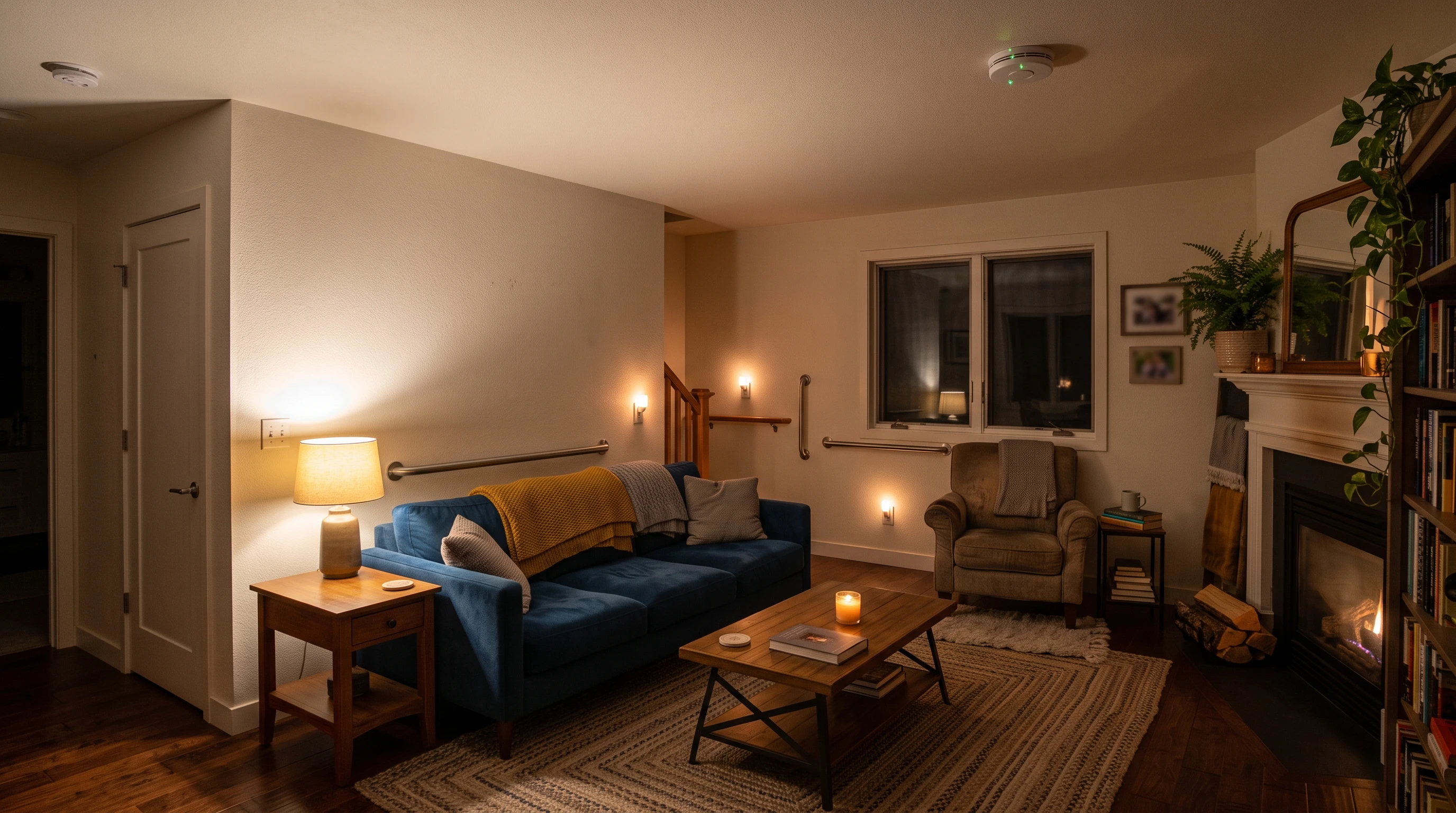
Why Home Safety for Seniors Matters
Home safety is a big deal for seniors since injuries like falls or burns can cause a major setback physically and emotionally. According to the CDC, one in four Americans aged 65+ takes a fall each year, and most of these happen at home. After seeing so many calls as a first responder, I always say prevention is better than dealing with a crisis later on. Even smaller accidents can sometimes lead to hospital stays, so prevention is worth the extra effort.
Making safety changes isn’t about creating a sterile or clinical home—it’s just about making the environment friendlier and much more forgiving if a little slip or memory lapse does happen. Most hazards are easy to miss until you’re looking through a safety-first lens. Sometimes, simply thinking like a guest in your home and paying attention to things you usually ignore can help you spot unsafe spots.
Also, as people age, their ability to recover from injuries takes a hit and their mobility often decreases. That’s why a home set up with safety in mind does more than just prevent accidents; it gives seniors more confidence to go about their daily routines.
Essential Home Safety Checklist for Seniors
A safe home starts with the basics. Here’s my go-to checklist you can use (it’s the same list I used when helping my mom):
- Clear walkways: Keep hallways and walking paths free of clutter, cords, and loose rugs. Avoid rearranging furniture often since consistency helps prevent missteps.
- Good lighting: Make sure every staircase, hallway, and bathroom is well lit. Night lights are super helpful for midnight trips to the bathroom or kitchen.
- Handrails and grab bars: Install sturdy handrails on both sides of stairs, and grab bars in the bathroom near the toilet and inside the tub or shower.
- Nonslip surfaces: Use nonskid mats in bathrooms and kitchens, plus nonslip treads on stairs or other risky spots.
- Secure rugs: If your loved one can’t part with area rugs, tape or nonslip pads underneath are a lot better than risking a slip.
- Accessible frequently used items: Store important items like dishes, meds, or favorite mugs within easy reach. This avoids unnecessary reaching, bending, or climbing.
- Smoke and carbon monoxide alarms: Make sure alarms are installed and tested regularly. Everyone should be able to hear them from any room, even with a door shut.
Set aside a weekend to walk through the house and go through this list room by room. I used to do regular checks at the retirement community, so I know it feels like a lot at first, but once you’ve tackled it, you’ll have real peace of mind. Consider making a note on your calendar for routine checks.
Room-By-Room Home Safety Tips
Breaking things down by room makes a big project way easier. Little things add up, and sometimes the smallest fixes make the biggest difference. Taking the room-by-room approach is also a good way to involve everyone in the family or the senior themselves in the process, which means nothing important gets overlooked.
Bathroom
- Install a raised toilet seat if sitting or standing is tough.
- Add a shower chair and handheld showerhead for extra comfort and safety.
- Check that all bath mats are rubber backed or have nonslip grips.
- Keep shampoo, soap, and towels within reach to avoid stretching or sudden moves.
Bedroom
- Keep a lamp, phone, or emergency alert device within easy reach of the bed.
- Remove tripping hazards like stacks of books, uneven rugs, or loose shoes.
- Use nightlights for clear paths to the bathroom.
- Store a flashlight in the nightstand in case of a power outage.
Kitchen
- Ensure the fire extinguisher is visible, and everyone knows how to use it (I’ve had to teach this more than once as a safety director).
- Store heavier pots and appliances at waist level to avoid strain or the risk of dropping something from overhead.
- Check for any leaks from the sink, fridge, or dishwasher that could cause slippery floors.
- Use an automatic shutoff kettle or coffee maker to lower the risk of forgotten appliances being left on.
Living Room
- Arrange furniture so there are clear paths for walking, even with a cane or walker.
- Secure cords and wires along the wall, or use cord covers to keep them neat and out of the way.
- Keep remotes, glasses, and phones within easy reach to prevent the need for stretching or bending.
Stairs and Entryways
- Double check that stair treads are solid and not loose or worn.
- Paint or tape the edge of steps in a bright color for better visibility.
- Make sure the threshold at exterior doors is smooth and not a tripping hazard.
- Consider a ramp if steps become too challenging, especially for a wheelchair or walker.
Simple Upgrades That Make a Difference
I always remind people it’s not about a total home remodel; it’s about these easy changes that anyone can make without too much hassle or cost. Here are some upgrades worth checking out:
- Motion activated lights: These are pretty handy for those late-night bathroom trips or when coming in from outside after dark.
- Smart home devices: Devices like video doorbells, remote controlled thermostats, and voice assistants are super useful for both safety and convenience.
- Automatic shutoff switches: These can prevent kitchen accidents if someone forgets to turn off the stove or a small appliance.
- Medical alert systems: Wearable emergency buttons give both seniors and family members a little extra peace of mind.
From my time as an EMT, I noticed that seniors who used these kinds of simple gadgets at home seemed to maintain a lot more independence and confidence. Small tech upgrades can go a long way in helping seniors stay connected to loved ones and safe at the same time. Voice activated assistants can provide reminders for medications or appointments, and video doorbells let them see who’s at the door without getting up right away.
Common Home Hazards and How to Fix Them
Spotting hidden hazards becomes easier when you know where to look. Some of the most common ones I see in homes:
- Slippery floors: Water around sinks or tubs is just asking for trouble. Quick solution? Always keep a towel handy and dry the area after use.
- Pet toys or bowls: Pets are great company, but their stuff often ends up in the way. Creating a dedicated feeding or play area helps reduce the risk.
- Medication confusion: Pill organizers and checklists make it a whole lot less stressful to keep track of medication schedules. Some pharmacies even provide easy to read packaging.
- Poor stair visibility: Bright tape or anti slip stair strips are simple fixes. I’ve watched way too many people miss a step just because there wasn’t enough contrast or light.
Additionally, it’s important to confirm that cleaning products, sharp utensils, and other potentially dangerous items are stored safely out of reach or behind childproof latches if memory lapses or dementia is a concern. And don’t forget to regularly check for frayed extension cords or any sign of bad wiring, which could pose fire risks.
More Advanced Home Safety Ideas
For seniors (or families) looking to go the extra mile, some next-level upgrades make things even safer and a bit more convenient:
- Keyless entry systems: Carrying keys can be tough, and keyless or smart locks make it easy for trusted people to enter if needed.
- Stove and oven monitors: Some devices alert you if the oven or stove stays on too long, which is pretty reassuring for forgetful moments.
- Water temperature regulators: Scalds are common, but antiscald valves make showers and sinks safer.
- Fall detection mats or flooring sensors: These can trigger alerts if a fall is detected, sending help right away.
- Video monitoring systems: For seniors who are comfortable with it, these let family members check in remotely, adding a level of reassurance without interfering daily.
Some of these upgrades may require professional installation, but many now come as do it yourself kits. They not only offer peace of mind for the senior, but also keep relatives and caregivers less stressed.
Frequently Asked Questions
These are some questions I get all the time from families and seniors in my security and safety director role:
Question: What’s the most important change for a safer home?
Answer: Good lighting and clutter free walkways are the two things I see prevent the most accidents. Grab bars in the bathroom come in close behind. Always prioritize these before anything else, especially in multi level homes.
Question: Are medical alert systems worth it?
Answer: Absolutely, especially for seniors living alone or those with chronic medical conditions. Fast emergency response is really important. Many systems now offer GPS and automatic fall detection, giving even more reassurance.
Question: How often should I check safety devices?
Answer: Test smoke and carbon monoxide alarms monthly, and replace batteries twice a year. Double check grab bars, rails, and nonslip mats at least once every few months. This is something I made a habit of in the retirement community and at home. Setting calendar reminders makes sure nothing slips through the cracks.
Question: Is it expensive to make these safety changes?
Answer: Many fixes are pretty affordable, like night lights, antislip mats, and grab bars. Even smart gadgets keep getting cheaper and easier to install; you might not need a pro for most upgrades. It’s always worth checking with local agencies or nonprofits for rebates or free safety equipment if you’re on a tight budget.
Final Thoughts on Keeping Seniors Safe at Home
Home safety for seniors isn’t just about removing every possible risk. It’s about creating a home that feels comfortable, pleasant, and easy to find your way around, no matter your age or mobility. All the tips above have made a real difference in my work, for my family, and for those I help every day.
Paying attention to the details, such as lighting, loose rugs, and easy to reach items, can make a big difference without taking away from the feeling of home. Every little improvement helps seniors stay more independent, happy, and safe where they live. And don’t forget, keeping communication open between family, caregivers, and the senior themselves is one of the most important safety steps. It ensures that concerns are heard and acted on quickly, keeping the home not just safe, but also welcoming for everyone.