Falls are a huge concern for seniors and the people who care about them. According to the CDC, 1 out of 4 Americans aged 65+ falls every year, and falls are the leading cause of injury and injury-related death in older adults (source). If you’re caring for a parent, grandparent, or if you’re a senior yourself, making the home safer is one of the best moves you can make to avoid unnecessary hospital visits and keep independence.
Falls aren’t just scary; they can mean long recoveries and loss of confidence. The good news? Most falls happen at home, and you can take plenty of steps to reduce the risk. I’ve pulled together practical tips you can start using today, plus some resources worth checking out if you want more support. As we build out our collection of senior safety guides here, be sure to sign up for updates so you don’t miss anything. By working together, you can make big changes with a few small tweaks.
Assessing the Home: Know Where Trouble Spots Hide
The first step to fall proofing a home is figuring out where the risks are. Most people don’t realize how many everyday things, such as throw rugs or a dark hall, can turn into a hazard. Doing a walk-through with fresh eyes (maybe even with a friend or relative for a new perspective) helps spot trouble spots and keeps you focused on key areas.
Common fall hazards in senior homes:
- Loose throw rugs and floor mats
- Clutter in walkways and hallways
- Poor lighting, especially on stairs and in bathrooms
- Electrical cords stretched across the floor
- Unstable chairs or tables
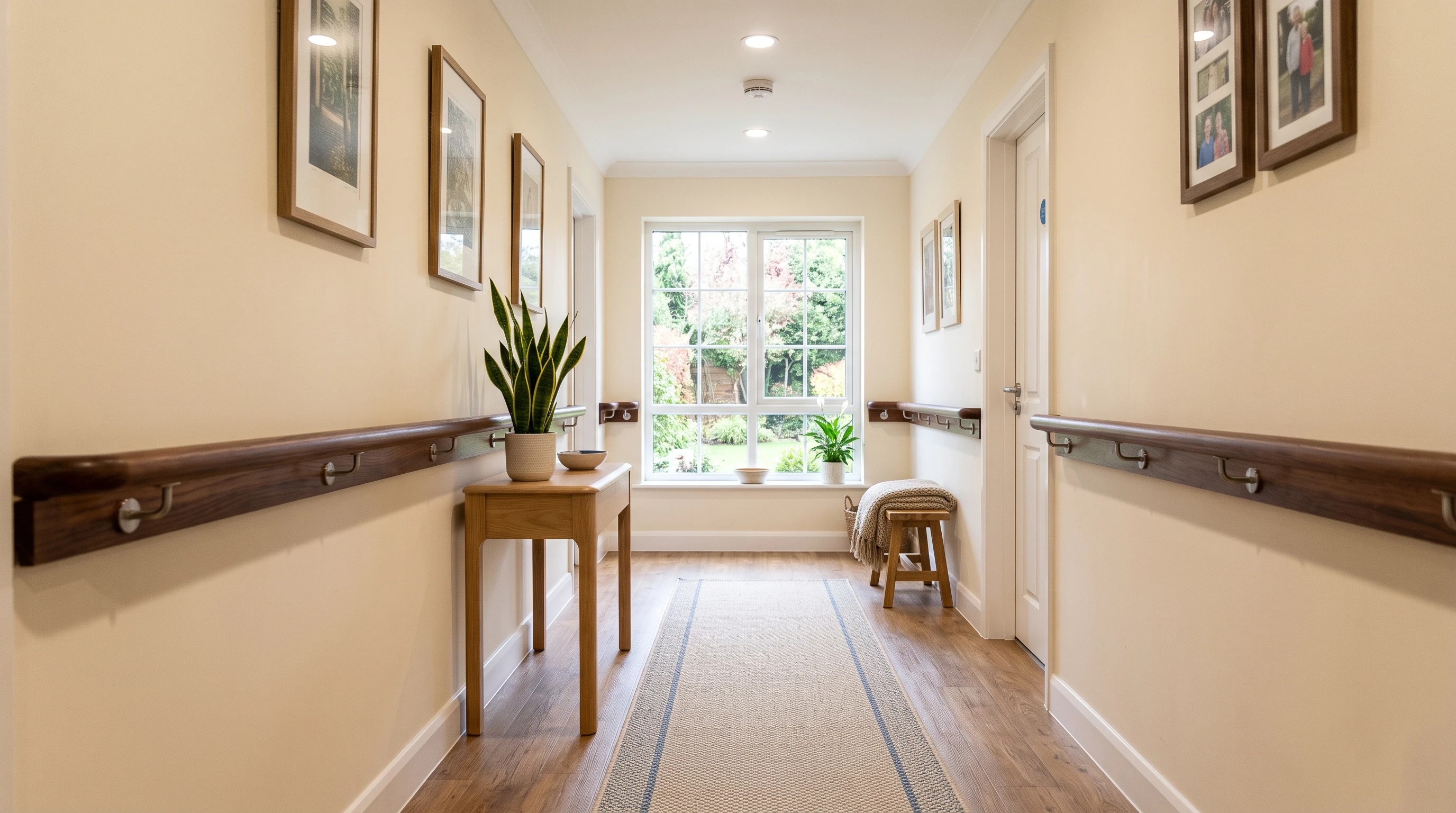
- No handrails on stairs or in the bathroom
You can use the CDC’s free Check for Safety home safety checklist as a starting point. Walking through each room slowly and taking notes (or photos) makes it easier to come up with an effective action plan.
Quick Fixes With Big Impact
Some changes are surprisingly quick and budget friendly, and they instantly make a space safer. These are hacks I always recommend to families and caregivers because you can put them into place right away without too much fuss:
Immediate actions you can take today:
- Pick up clutter, shoes, and loose items from walkways
- Secure or remove small rugs with nonslip backing, double sided tape, or just get rid of them completely
- Keep frequently used items within easy reach so you’re not climbing or stretching
- Check if lightbulbs are working and use higher wattage bulbs for brighter areas
- Wrap or tape cords along walls
- Use nightlights in bathrooms, hallways, and bedrooms
Even just decluttering and brightening up walkways drops the risk of tripping. If you’re helping a senior with this, doing it together can turn it into a fun little project that doesn’t feel like a chore.
Bathroom Safety: Where Slips Happen Most
Bathrooms are a serious risk zone. Water, soap, and tight spaces create trouble. Here’s what I’d tackle first to make it safer:
- Install nonslip mats inside and outside the tub or shower
- Add grab bars next to the toilet and in the shower (they’re not just for hospitals; they come in lots of styles)
- Swap out glass or slick shower doors for a curtain if possible
- Use a shower seat or bench for extra stability
- Always check that floor mats have strong grips underneath
If you rent or aren’t sure about drilling grab bars into tile, temporary but sturdy suction bars work well in many cases. You can also look into raised toilet seats if getting up and down is tough.
Stairways and Entry Points: Making Every Step Safer
Stairs aren’t easy for everyone, and missing just one step can lead to a fall. If the house has steps inside or out, there are a few things to keep in mind:
- Check that every stairway has a secure railing on both sides
- Fix any loose or uneven steps right away
- Mark the edges of steps with brightly colored tape so they stand out
- Keep stairs free from clutter—no stacks of shoes or newspapers
- Add extra lighting at the top and bottom (motion activated lights work really well and don’t need wiring)
For outside, make sure porches aren’t slippery and clear of ice or wet leaves. Installing a sturdy rail on entry steps is a quick win for added support and safety.
Bedroom Safety: Safe Nighttime Moves
Falls don’t just happen during the day. Many seniors fall heading to the bathroom at night or getting out of bed in the dark. I always suggest a few bedroom tweaks to make things safer:
- Put a lamp or light switch within easy reach of the bed
- Consider a bed rail for a bit of extra support getting in or out
- Keep a clear, direct path from the bed to the bathroom (move any tables or floor plants out of the way)
- Wear nonslip slippers (not socks or bare feet) for middle of the night walks
It’s also smart to keep a phone or call device by the bed, just in case there’s an emergency.
Living Room and Kitchen: Where Little Things Add Up
In living areas, stability is everything. Chairs should be sturdy and not swivel unexpectedly. Keep remote controls, books, or hobbies on a stable table that’s easy to reach. It’s best to avoid using step stools to reach high cabinets—move everyday dishes to low shelves so there’s no climbing needed. Make sure all spills (especially in kitchens) get cleaned up immediately, and choose nonslip mats near any sink to help prevent accidents.
A Checklist to Get Started
When you’re ready to fall proof your home, having a simple checklist to move through can be super helpful. Here’s a streamlined version for you to use:
- Walk each room slowly, paying attention to floors and lighting
- Remove or secure rugs and cords
- Add nightlights in key spots
- Install grab bars in bathrooms
- Double check that stairs have sturdy railings
- Keep pathways clear—inside and out
- Move items you use daily to reachable levels
- Remind everyone to wear shoes or slippers with good traction
Breaking tasks into chunks by room makes it feel less overwhelming. If you need more super detailed checklists or printable guides, stay tuned for my growing safety resource library.
Extra Tools: Technology That Helps With Fall Prevention
There are lots of products out there designed to keep seniors safe. Some are truly helpful, like:
- Medical alert systems that call for help if a fall happens (AARP has a solid guide)
- Smart lights you can control with your voice or a remote
- Wearable fall detection devices
These gadgets can offer peace of mind for families and give a boost to confidence for seniors living alone. I’ve tested a few myself and will add reviews to the site soon!
Common Questions About Fall Proofing Seniors’ Homes
What if my family member doesn’t want any changes?
This question comes up often. The best approach is to start small and involve them in each decision. Sometimes, just moving rugs or adding a light can help everyone see the benefits without it feeling overwhelming. Sharing actual statistics or stories (like from the National Council on Aging) can make it real, but keep the conversation supportive and gentle.
How often should I check for hazards?
I suggest seasonal checks—at least every few months, or any time mobility changes. New medical equipment or changes in vision can mean new risks, so check regularly and update things as needed.
Where can I get more personalized advice?
Your doctor, local senior center, or county aging department often offer free home safety assessments. Some organizations, like AARP, also have guides and services. Don’t be shy about asking—they’re happy to help!
Ready for More Home Safety Tips?
Fall proofing isn’t a one and done job. Your needs might change, and so will your home. I’ll be adding guides on tech tools, medication safety, safe exercise for balance, and more practical tips for seniors and the families who support them. Sign up for updates and check back often; there’s always something new to make life safer and easier.