Affiliate Disclosure: This post contains affiliate links. If you purchase through one of these links, I may earn a commission at no additional cost to you. As an Amazon Associate I earn from qualifying purchases.
If you’ve ever worried about yourself or a loved one taking a tumble at home, you’re not alone. Falls are one of the leading reasons seniors land in the ER. Having spent years as an EMT Firstresponder, I’ve seen firsthand how even a simple trip on the rug can quickly change someone’s life. The good news is that making a few changes around the house can make a huge difference in keeping everyone a lot safer.
Whether you’re helping a parent, prepping your own space as you age, or just want to offer a hand to a neighbor, there are some really practical steps you can take. From swapping out slippery rugs to installing smart lighting and using basic safety gear, fall prevention doesn’t have to be overwhelming or expensive. Here are ten home safety tips I’ve picked up over the years that can help make your home a safer place to live.
1. Remove Clutter and Keep Pathways Clear
One of the things I always looked for when responding to emergency calls was clutter. Shoes left by the door, piles of laundry, and boxes in the hallway are real trip hazards. Making a habit of keeping hallways, stairs, and walkways clear really goes a long way. It’s especially important near entrances, in hallways, and around frequently used spots like the kitchen and bathroom.
Even something as minor as a dropped magazine or misplaced remote control can be a hidden danger in the dark or for people with limited mobility. Doing a quick daily sweep of these areas makes your home safer for everyone, not just seniors. Encourage a regular tidying routine with an easy-to-access storage bin for frequently used items in high-traffic areas.
- Move electrical cords and pet bowls out of main walkways.
- Encourage everyone in the home to put things back where they belong.
- Organize storage so daily items are easy to reach without bending or stretching.
- Install hooks by doors for coats, leashes, and purses to keep floors clear.
This little bit of organization clears a safer path and keeps dangerous falls at bay. A clutterfree home promotes safe movement and peace of mind.
2. Use Nonslip Rugs and Secure Loose Carpets
Rugs and carpets are some of the biggest troublemakers when it comes to falls. I’ve seen more than one trip caused by a rug that folded up or slid across the floor. Nonslip backing is a game changer, and rolling up hard to secure area rugs is sometimes the best call if you can’t make them safe.
- Use nonslip rug pads or double-sided carpet tape.
- Get rid of throw rugs in high traffic areas if they can’t be secured.
- Repair curled or fraying carpet edges to avoid catching a foot.
- Consider lowpiles, easy to clean carpets for those who prefer the comfort of carpeting with less risk.
Bathrooms and kitchens, where water can make things even slicker, are especially important spots for nonslip mats. Choosing the right rug materials can also make a difference. Wool mats tend to stay put, while flatter synthetics may slide around.
If you must keep decorative rugs, make sure they are properly anchored at all corners and regularly check underneath for shifting. Inspect your floors weekly—sometimes minor adjustments can prevent a serious mishap.
3. Install Grab Bars and Handrails
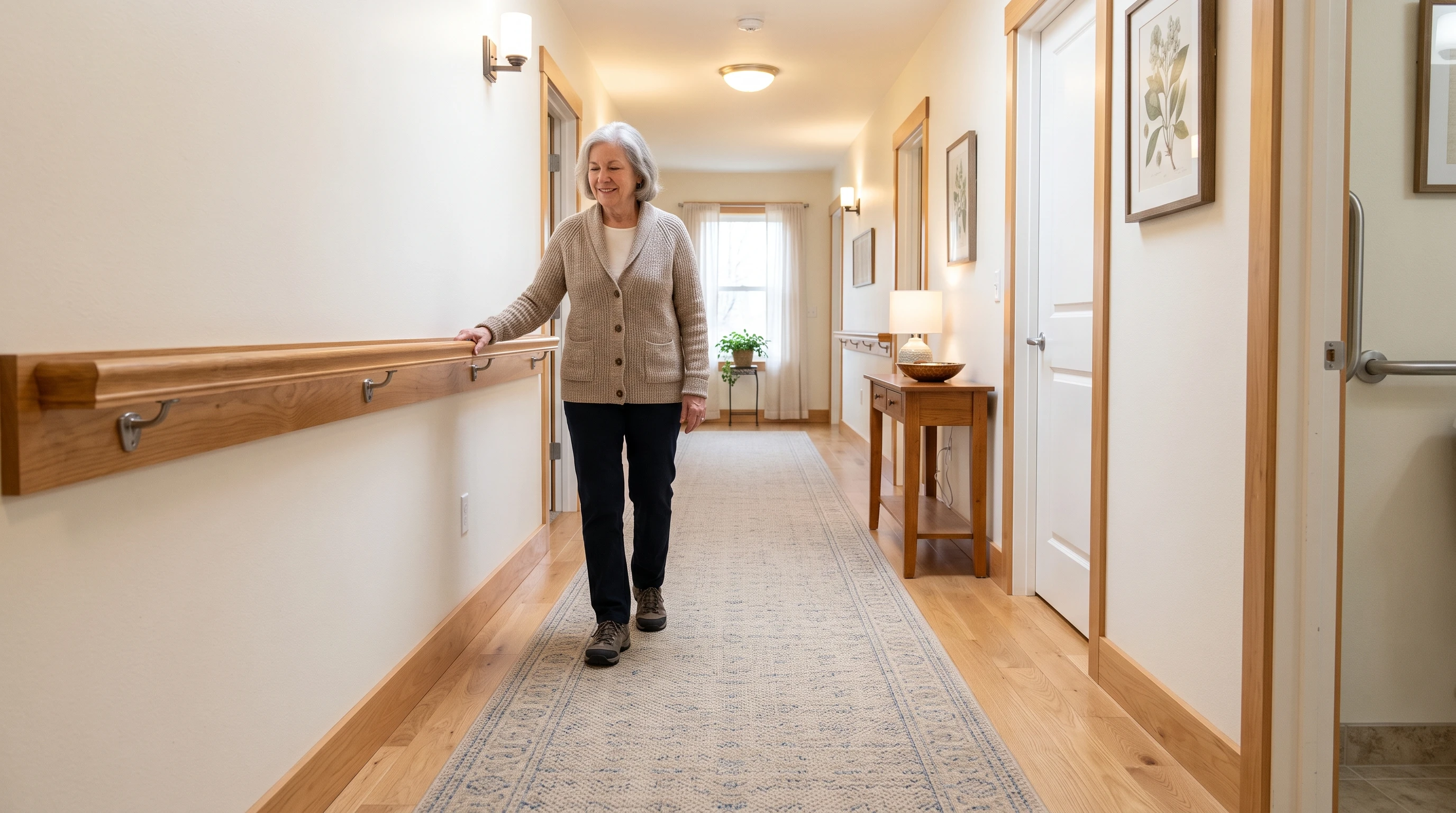
Grab bars and handrails aren’t just for hospitals. They’re actually really handy to have at home, too. On the job, I’ve helped seniors off the floor who couldn’t reach something sturdy for support. Putting grab bars by toilets, showers, bathtubs, and next to stairs or slopes adds a little peace of mind and helps people feel more independent.
Try different finishes, such as textured metal, for a better grip. Professional installation is often available through local hardware stores or senior support agencies, but many grab bars are also easy to install yourself with the right tools.
- Install grab bars at standing and sitting heights in bathrooms.
- Check that any existing handrails are sturdy and extend along stairways.
- Test them yourself or with a friend to make sure they can handle someone’s weight.
- Consider installing a second handrail on tricky stairs for added balance support.
Don’t forget to check these bars and rails every few months. Loose hardware is almost as risky as not having them at all. Clean rails regularly to ensure surfaces stay dry and secure.
4. Improve Home Lighting
In my EMT days, I lost count of the number of falls caused by poor lighting. When you can’t see, you can’t avoid tripping on things. Adding brighter bulbs or extra lamps in dark corners, stairways, and entryways makes a big difference.
Natural light is also your friend—keep curtains open in the daytime to brighten up main rooms. Check all light bulbs monthly for burnouts, and keep a stash of handheld flashlights in easily reachable spots for power outages.
- Add nightlights in hallways, bedrooms, and bathrooms for easy nighttime movement.
- Make sure any frequently used switches are easy to reach from the entrance to each room.
- Consider stickon LED lights if you can’t update wiring.
- Try color coded switches or glow in the dark tape for quick light finding at night.
Automatic dusk to dawn lights or motionactivated lights are pretty handy for places like front steps or garage entries. Replace traditional bulbs with energy efficient LEDs for longer life and brighter light output. Good lighting cuts down on guesswork and creates a safer environment after dark.
5. Rearrange Furniture for Easy Navigation
Too much furniture can turn any room into an obstacle course. I’ve visited homes where a simple move of a coffee table or armchair would have prevented a nasty fall. If a walker or cane can’t pass through a space easily, it’s time for a furniture shuffle. Don’t be afraid to let go of extra furniture—fewer items mean more open space and safer passageways.
- Push heavy furniture to the sides of rooms to open up walkways.
- Allow enough clearance for mobility aids.
- Remove unstable pieces or decorative items that get in the way.
- Embrace minimalist setups and prioritize clear lines of sight from one room to another.
Open, clear space helps with balance and keeps everyone steady on their feet. Add small tables near seating areas for convenience, just make sure they are stable and don’t block traffic flow. A little rearrangement can transform daily living for the better.
6. Wear Supportive, Wellfitting Shoes
Slippers and socks might feel comfy, but they’re one of the most common reasons for slipping and sliding around the house. On scenes where someone had slipped, I often noticed their shoes were either too big, too floppy, or had slick bottoms.
Supportive shoes with nonskid soles keep feet sure and steady. In choosing footwear, prioritize closedtoe shoes, cushioned insoles, and solid heels.
- Choose shoes that fit well and don’t slip off easily.
- Avoid walking barefoot or in socks on tile or hardwood.
- Look for footwear with firm, rubberized soles.
- Reserve plush slippers for sitting or bed time—swap them for supportive shoes for walking around.
If mobility is an issue, there are specialty shoes designed for seniors that are worth checking out at medical supply stores. Remember, the right pair of shoes does more than ease your steps. It offers crucial stability and helps your body move with confidence.
7. Move Frequently Used Items Within Easy Reach
Places like high shelves, low cabinets, or awkward pantries are risky for anyone, but especially so for seniors. I’ve seen many falls happen when someone tried to balance on a stool or bend way down to reach something.
Rearranging cupboards and closets so the daily essentials are right where you need them cuts down on those moments of risk. Even light items can pose a hazard if you stretch for them in the wrong way. Use clear containers and label them to help identify contents without too much hunting.
- Store heavy or frequently used items on waist to shoulder level shelves.
- Use long handled grabbers for things out of reach. They’re pretty handy for everyone.
- Let go of the urge to keep excess kitchen gadgets or clothes. Decluttering helps too.
- Keep a sturdy step tool handy (with a wide, stable base) if reaching higher shelves is unavoidable, but ask for help when possible.
This is one quick fix that pays off in daily convenience and safety. The fewer movements required to get what you need, the safer your routine will be.
8. Take Extra Precautions in the Bathroom
The bathroom is one of the most common places for falls, especially with all that moisture. I can’t even count the number of calls I responded to because someone slipped stepping out of the shower or getting up from the toilet.
Simple upgrades here are super important. Consider nonslip tiles if you’re renovating, and ensure exposed plumbing or floors are promptly repaired for safety.
- Lay down nonskid mats both inside and outside the shower or tub.
- Install a shower chair if standing for too long is difficult.
- Use a raised toilet seat with arms for added leverage.
- Keep towels, soap, and other shower items at arm’s reach to avoid stretching or twisting.
- Add sticky grip decals to the tub and tiles for added stability.
A handheld shower head can also help keep things safer and easier to manage. Make sure any grab bars are anchored into wall studs for maximum support, and test them periodically. Keeping bath essentials organized in a caddy or on a shelf within reach can also prevent harmful slips.
9. Check Medications and Stay Hydrated
Many of the seniors I helped had multiple prescriptions, and sometimes these meds caused dizziness or low blood pressure, upping the risk of falls. Dehydration is another sneaky culprit that can mess with balance.
Reviewing medications regularly with a doctor or pharmacist can help figure out what might raise fall risks. Ask questions about medication changes or combinations, as some overthecounter drugs can also cause side effects.
- Try to review medications every few months with a healthcare professional.
- Be aware of any side effects like dizziness, drowsiness, or muscle weakness.
- Keep a water bottle handy and incorporate reminders to drink throughout the day.
- Use medication organizers or set alarms for daily reminders and proper dosing.
It’s always better to ask questions if you notice new symptoms or feel unsteady. Even minor changes in prescriptions can make a big difference in how steady you feel from day to day.
10. Plan for Emergencies: Keep Help Within Reach
If a fall does happen, getting help quickly really matters. I’ve been to calls where someone was stuck for hours after a fall, simply because they couldn’t get to a phone. Having a plan and simple tools can change that. You can print out emergency information cards and keep them in your wallet or by the phone.
- Set up a wearable emergency alert device if possible. There are great options for every budget these days.
- Keep phones, cell phones, or emergency call buttons within reach in commonly used rooms.
- Share a daily checkin plan with friends, neighbors, or family, especially for seniors living alone.
- Provide a spare key to a trusted neighbor or use secure lockboxes for emergency responders.
Make sure emergency contacts are up to date and posted in a visible spot. In an emergency, seconds count—having help readily available greatly improves outcomes.
Extra Tips for Fall Prevention
Some extra things that make a big difference:
- Regular exercise, even gentle chair exercises, helps with balance and strength. Classes like tai chi or yoga can improve stability, coordination, and reaction time.
- Vision checks can catch changes that might make walking around the house more dangerous. If you wear glasses, make sure your prescription is up to date and your lenses are kept clean and scratch free.
- Wipe up spills right away as wet floors are an easy way to end up on the ground. Keep paper towels or absorbent cloths easily accessible in every room for quick cleanups.
- Install contrasting colored tape on stairs and steps to make level changes more visible, especially in dim light. This small visual cue can prevent missed steps.
- Don’t forget to check your hearing as well; sometimes, slight balance issues are connected to the inner ear.
Small improvements build up over time and lead to a much safer home. These little habits, combined with the major changes above, create a protective environment and give everyone more confidence in their daily routine.
Wrapping Up
Every fall I responded to as an EMT was different, but almost all of them could have been prevented with a handful of these tips. Setting up a safer home for yourself or someone you care about is a great way to give everyone a little more independence, confidence, and peace of mind.
Making these changes isn’t about giving up comfort. It’s about making home life easier and a whole lot safer for the long run. Taking a little time now to check your own space or help out those you love can truly make all the difference.
If you need more ideas or want help figuring out which steps to tackle first, reaching out to your local senior center, occupational therapist, or home health agency can offer more support. Stay safe, stay steady, and enjoy your home with confidence every single day.
This post really resonated with me because my senior mom has had two accidents in the bathroom, and it was such a wake‑up call for us. We’re now in the middle of renovating our bathroom to replace the tiles with non‑slip ones, and I completely agree that adding grab bars on the walls is a smart move for extra support. It’s reassuring to see practical tips like these laid out so clearly; it makes the process of creating a safer home feel less overwhelming.
I’d love to know, from your experience, are there specific spots in the bathroom where grab bars make the biggest difference for preventing falls?
Hi Leica, yes you want to concentrate them near the toilet and in the bathtub/shower. These are most common places falls occur in the bathroom. I also recommend some in the door entrances. If someone has a serious fall risk and lives alone try to place them throughout the major living spaces so if they fall they can at least crawl to one. It allows they to at least sit up if not too injured. Laying flat for too long creates respitatory and blood circulatory issues and a relatively healthy person who lays flat too long can cause life threatengin issues if not foound soon. Eldery people decomsenate way faster than an average adult so hours could mean life and death. thanks for sharing and reach out if you have any questions. Stay safe!
This article really resonated with me because my wife and I are getting older, and balance has become something we think about much more than we used to. My wife has been becoming increasingly unsteady on her feet, so preventing falls isn’t just a good idea for us—it’s something we take seriously. We recently purchased a condo. It was important to us to have grab bars in the bathrooms. Reading through your checklist gave me several things to look around our home and evaluate, especially lighting, grab bars, and keeping pathways clear.
I also appreciated that you wrote from the perspective of someone who has actually responded to these emergencies as an EMT. That experience comes through in your advice and makes it feel much more practical than a generic safety checklist. Sometimes it’s the small changes that prevent a life-changing accident.
– Scott
Awesome thanks Scott! I’m glad it resonated with you. I too am in the older age range and I have in recent years felt more unsteady. Small changes can make a big difference. Especially grab bars, I’m glad you got those in your new condo. In my experience those with grab bars has less chance of lying flat on the floor which can cause a whole other list of medical issues if not found soon. They can at least get into a sitting position while waiting for help. Reach out if you have any questions. Stay Safe!