Picking the right nonslip flooring is one of the simplest ways to keep seniors safe, independent, and comfortable at home. After helping countless families make home safety upgrades, I’ve seen how small tweaks, like switching out a slippery floor, can make a huge difference.
With so many flooring materials out there, figuring out what actually works (and what doesn’t) can be confusing. Here’s a practical guide to help you cut through the noise and find safe, affordable flooring options that keep falls at bay without sacrificing comfort or style.
Why Nonslip Flooring Matters for Seniors’ Homes
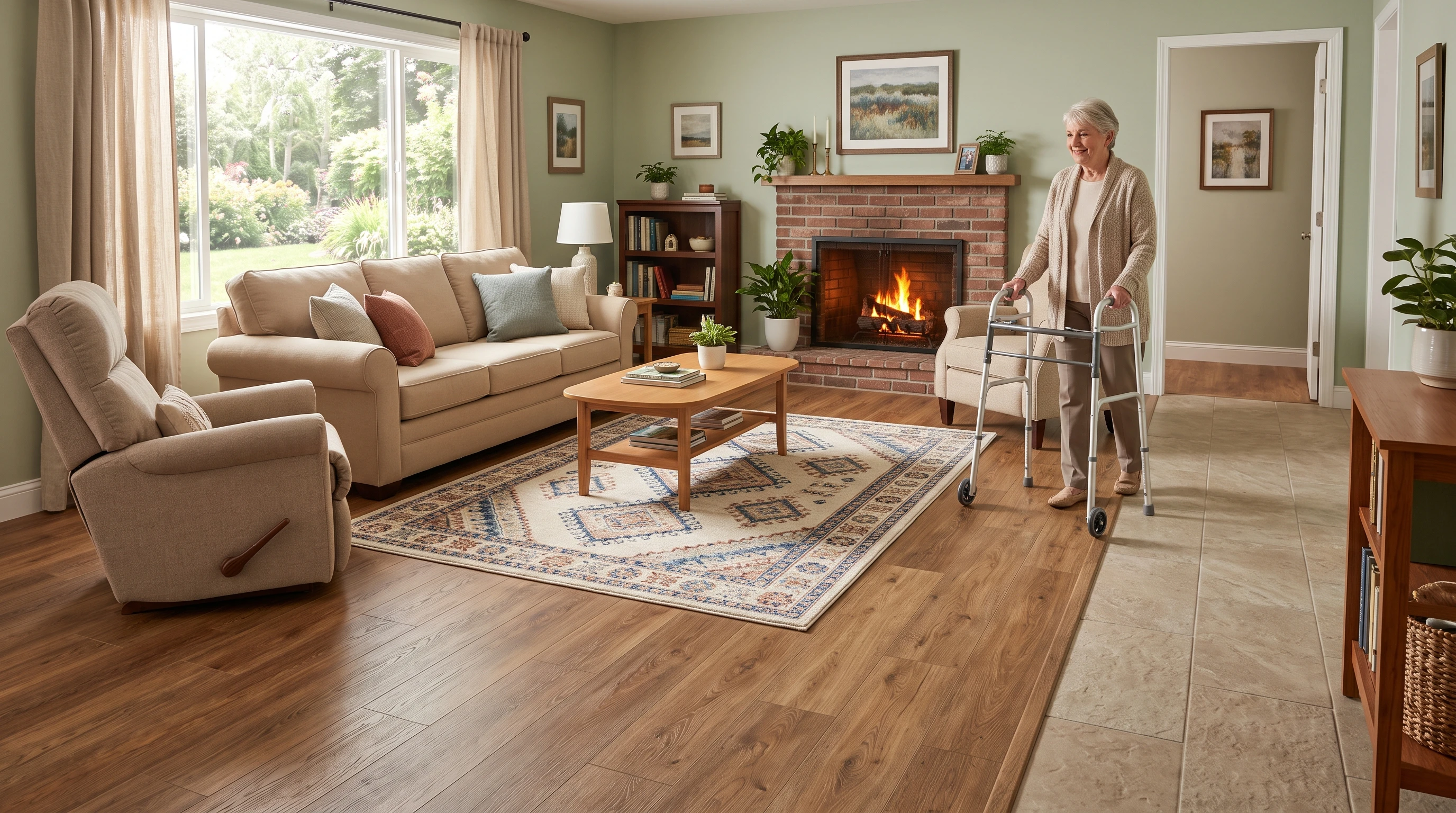
Falls are the top reason many older adults lose confidence at home or end up needing more support. Floors that get slick when wet, like shiny tiles or worn hardwood, can quickly become trouble spots, especially for folks with mobility challenges, poor balance, or who need a walker or cane. Nonslip flooring gives a little more grip so feet don’t slide, even if someone’s wearing socks or there’s a spill.
Choosing flooring with safety features that match the daily routine is really important. It’s not just about what looks nice; it’s about picking a surface that works with how each person moves through their space and can hold up to real-world messes. For many families, these decisions are most urgent in kitchens, bathrooms, entryways, and anywhere that gets wet or cluttered.
Understanding Nonslip Flooring Terms and Features
The flooring world loves its jargon. Here are a few terms worth knowing so you can compare products more easily:
- Coefficient of Friction (COF): This is a technical way to rate how grippy a floor is. Higher numbers mean more slip resistance. For seniors, look for products rated at least 0.6 or higher on dry and wet surfaces.
- Textured/Embossed: Slightly bumpy or patterned surfaces give more grip underfoot than perfectly smooth ones; think matte tile or wood with “grain.”
- Matte Finish: Shiny floors usually get slippery fast. Matte or low-gloss finishes are better for traction.
- Cushion/Resilience: Some flooring, like rubber or cork, has a bit of “bounce,” which can soften a fall if it does happen, and is easier on joints.
Comparing Safe Flooring Options for Seniors
Not all “nonslip” floors are created equal, especially in real-world conditions. Here’s a rundown of the most common options I recommend (and a couple to avoid):
- Luxury Vinyl Plank (LVP) or Tile: LVP has become really popular because it’s affordable, water-resistant, and easy to clean. Some brands make special “safety” versions with extra texture. It’s soft underfoot and quick to install, which is great for tight budgets or rentals.
- Textured Ceramic or Porcelain Tile: “Slip-resistant” tile designed for commercial kitchens or showers works well in bathrooms and entryways. Just check for texture and the right COF rating; standard glossy tiles are a no-go.
- Rubber Flooring: This is a favorite in home gyms, laundry areas, and sometimes bathrooms. It has great grip, is waterproof, and comes in modular tiles that are quite easy to install DIY. Look for versions with a softer finish, since some rubber tiles are hard as rocks.
- Cork Flooring: For bedrooms and living rooms, cork is a quiet, warm choice that has a natural nonslip texture. It does need sealing to keep water out and isn’t the best pick for kitchens or baths where flooding is likely.
- Low Pile Carpet: Soft, low pile, not shag or thick carpet is gentle on knees and offers steady footing. Avoid loose rugs or anything that isn’t securely fastened down. Use carpet tape or a professional install with tack strips.
There are some materials I urge families to skip or use with caution:
- Polished marble, high gloss tile, or supersmooth hardwood; even a small amount of water or powder can turn these into skating rinks.
- Thick, loose area rugs; easy to trip over and can curl up at the corners.
Simple Nonslip Upgrades Without Full Renovation
You don’t always have to rip out the old floor to give a boost to safety. There are plenty of budget-friendly tweaks that help “fall-proof” a home fast:
- Sticky-back nonslip strips or rolls. Perfect for wood stairs, slick tile steps, or bathtub and shower floors. Look for transparent versions if you want to keep things subtle.
- Nonslip mats with beveled (angled) edges. Especially useful near sinks, stoves, and tubs. Beveled edges help walkers roll over safely.
- Area rug anchors or gripper pads. Secure the edges and corners of small throw rugs, or remove them entirely in high-traffic areas.
- Matte finish floor coatings. Some products go over existing tile to add texture. Read reviews; not all do what they promise.
What Safety Pros Look For (That Most People Miss)
 Even with grippy flooring, I look for these hidden risks when doing home walkthroughs:
- Thresholds or floor transitions that stick up; consider smooth ramps or “zero-step” alternatives that reduce bumps between rooms.
- Piles of shoes, power cords, or pet toys that are left in walking paths; move them or find a better place for them.
- Reflections from windows or lamps. Glare can make it hard to see changes in flooring, especially for older eyes.
- Fading or wearing out of textured surfaces. High traffic spots sometimes lose traction over time, so checking yearly is smart. Once, I helped a client whose textured vinyl in the kitchen looked fine, but after years of daily use, the most popular path by the sink had become almost polished smooth. After swapping in fresh planks, they immediately felt steadier walking across the room, even with small spills or when in socks.
Kitchen, Bathroom, and Bedroom: Room-by-Room Flooring Tips
Kitchen
The kitchen is often ground zero for slippery spills. Nonslip vinyl or textured tile is practical. Place washable nonslip mats near the sink and stove, but skip thick rugs. Check that chairs and stools don’t rock or slide out too easily.
Bathroom
This is the most hazardous room for falls. Use commercial-rated textured tiles or slip-resistant vinyl. In showers or tubs, insist on permanent nonslip stickers or built-in textured bottoms, not just a loose bathmat.
Bedroom
Bedrooms should feel cozy, but avoid thick carpet or rugs that catch toes. Low pile carpet, cork, or vinyl are all soft and less likely to snag walkers or canes. Don’t forget proper lighting for night trips to the bathroom or hallway.
Questions to Ask When Choosing Nonslip Flooring
- Is the material rated for wet areas if it’s going in a kitchen, bath, or laundry?
- Can you test a sample in your own shoes (and socks) before buying?
- Is the warranty affected if you install it yourself?
- How thick is the new flooring? Does it create uneven transitions from room to room?
- Are trims and edge pieces available to safely finish the job?
Talking with a physical therapist or occupational therapist can help if you’re not sure what will work best for your unique situation.
Warning Signs That It’s Time for a Flooring Upgrade
- Multiple slips, even minor ones, especially in the same spot.
- Noticeable scuffs, shine, or worn patches in high-traffic areas.
- Tripping over curled edges, runners, or sticky, tacky spots.
- More frequent small stumbles or hesitancy while walking.
If you’re seeing any of these, it’s worth reviewing what could be made safer.
Frequently Asked Questions
Question: Can I put nonslip flooring over my existing tile or wood?
Answer: Many vinyl planks and rubber tiles are designed to go right on top of most old flooring. Always check the manufacturer’s advice for prep and leveling first.
Question: Does nonslip flooring feel rough or uncomfortable to walk on?
Answer: Not usually. Most nonslip products are designed for bare feet and regular shoes. If it feels gritty or sharp, choose a different style.
Question: Will nonslip flooring help even if someone uses a walker or wheelchair?
Answer: Yes; in fact, a smooth, slip-resistant surface lets wheelchairs or walkers move without “catching” or sliding in unpredictable ways.
Encouragement for the Ride Ahead
Choosing nonslip flooring, whether through small tweaks or a big renovation, can go a long way toward protecting independence and peace of mind for older adults and their families. Small changes today add up and make home a safer, more welcoming place. Staying a step ahead of falls is always better than wishing you’d done it sooner. Every improvement counts.