
Creating a safe bathroom environment for seniors isn’t just about swapping out fixtures. After more than three decades in emergency response and senior safety education, I’ve seen how even the tiniest home improvements can help older adults keep their independence and avoid preventable falls.
The bathroom is especially important, since slippery floors, sharp corners, and tight spaces can all contribute to risk. It’s worth checking out evidence-backed tips and practical ideas to boost confidence, safety, and mobility, all without immediately jumping to an expensive remodel.
Affiliate Disclosure: This post contains affiliate links. If you purchase through one of these links, I may earn a commission at no additional cost to you. As an Amazon Associate I earn from qualifying purchases.
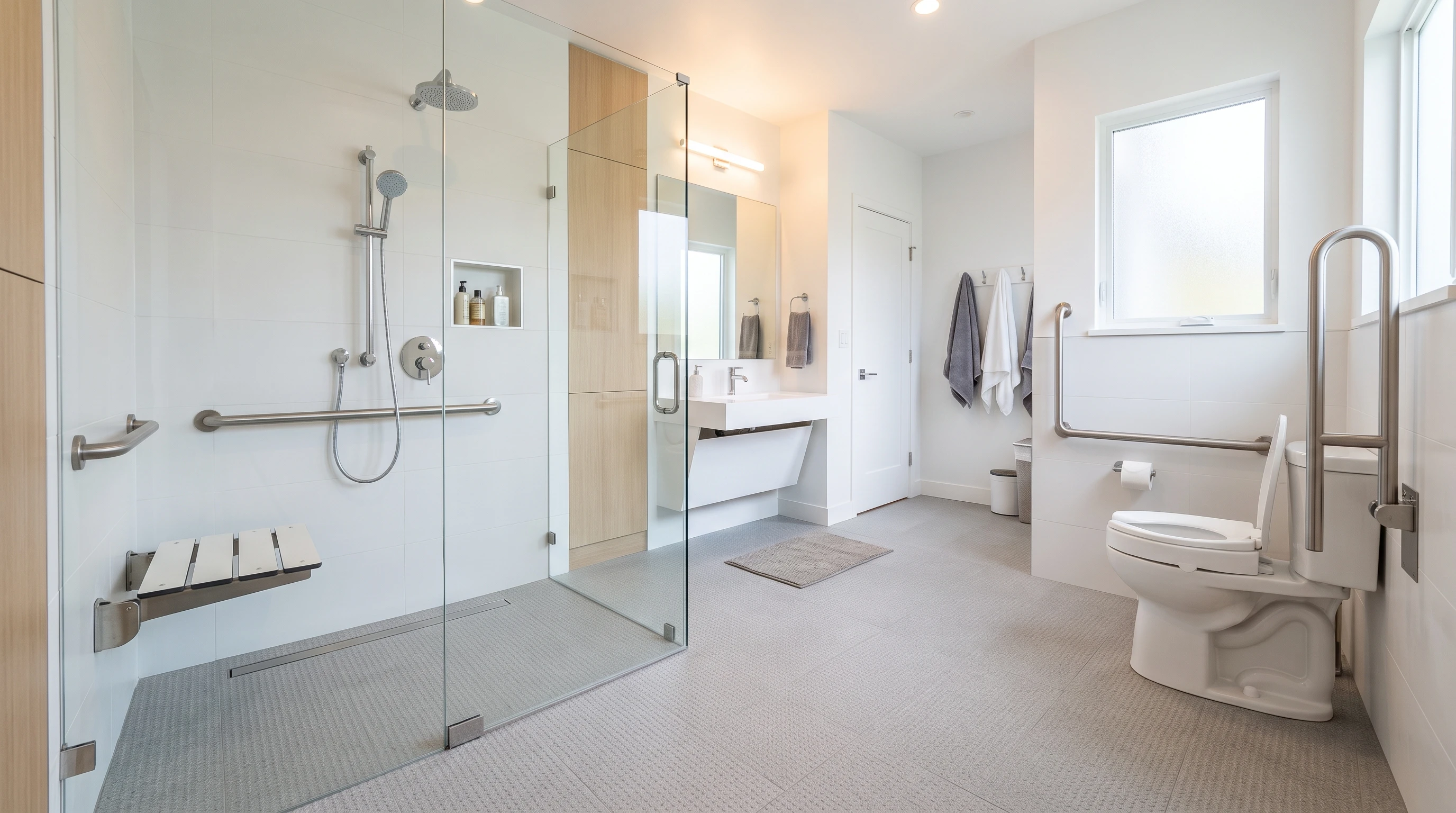
Why Bathroom Safety Matters For Seniors
Bathrooms are well-known fall hot spots among older adults. According to the CDC, a massive number of home injuries happen in the bathroom, where hard surfaces, water, and tricky movements create conditions ripe for accidents. Sadly, many families only realize the risks after someone takes a fall. But with a bit of planning, these accidents are often easy to prevent.
Common risks in the bathroom include:
- Wet or slippery floors
- Shower and tub entry or exit
- Low toilets that are tough to stand up from
- Lack of strong support bars or improperly secured ones
- Poor lighting and cramped, cluttered spaces
Making the bathroom safer is about more than preventing injury. It’s also about maintaining dignity and helping seniors keep up with daily routines without always needing assistance. Many quick upgrades can be made affordably, and there’s no need to tear the place apart to start seeing improvements.
Simple Safety Upgrades That Make a Big Difference
You don’t have to gut the bathroom to increase safety. Usually, I recommend beginning with practical, low-cost fixes you can tackle in an afternoon. Here are some first steps that can instantly give a boost to comfort and confidence:
- Non-slip mats and rugs: Ditch regular bathroom rugs for ones with a grippy base that stays steady. Aim for mats that won’t slip out from underfoot, especially near the tub, shower, and sinks.
- Grab bars: Adding grab bars near the toilet and in the shower or tub is a must. They need to be anchored into wall studs for real stability—skip the suction or adhesive options.
- Raised toilet seats: Sitting and standing up from a standard toilet can be difficult. Raised seats make the process much safer and more comfortable.
- Handheld shower heads: Flexible showerheads allow seniors to sit while showering and keep control of the water, reducing awkward stretching or bending.
- Shower chairs or benches: These provide a secure place to shower while seated, making bathing safer for anyone with balance issues or fatigue.
Author Experience: During one home visit, I met a couple who had no grab bars and relied on towel racks for support. After we installed sturdy bars and non-slip mats, the couple expressed they felt much more secure and independent, and they had no further close calls with falls.
Designing for Independence: Room-by-Room Recommendations
The Shower and Tub Area
- Walk-in showers: If you’re considering a renovation, walkin or zero-threshold showers are the safest bet. No ledge means no tripping risk.
- Non-slip tile or coatings: Smooth tile is slippery when wet; go for rougher surfaces or apply antislip coatings where possible.
- Install sturdy corner shelves: Wallmounted baskets and shelves keep soaps and shampoos within easy reach, lowering the chance of awkward stretching.
- Good drainage: Make sure water quickly drains from the shower floor to avoid puddles.
The Toilet Area
- Toilet height: Comfortheight toilets are easier to use for anyone who struggles with bending. They can make a huge difference for folks with joint or mobility concerns.
- Accessible flush handle: Flush handles that are simple to grip and conveniently placed help those with arthritis or reduced dexterity.
- Add a support frame: Toilet support frames give extra balance help on both sides and can be installed with minimal hassle.
The Sink Area
- Leverstyle faucets: Levers work far better for anyone with arthritis or weak hands than traditional knobs.
- Clear floor space: Wheelchairs and walkers require open space beneath and around the sink. Pedestal and wallmounted sinks are good options for accessibility.
- Good lighting: Install motion sensors or bright LED bulbs to brighten up shadowy areas, especially for anyone with limited vision.
For best results, check that every frequently used bathroom feature is easy to access, with items at a reachable height and nothing requiring awkward bending or stretching.
Warning Signs To Watch Out For
Sometimes, a bathroom appears fine, but there are subtle hints that signal it’s time to switch things up. Here are red flags to watch for:
- Trouble getting up from the toilet alone
- Grabbing towel racks, sinks, or shower doors for balance—these aren’t designed to hold much weight and could snap
- Pooled water on the bathroom floor after bathing
- Difficulty stepping over a high tub edge or visible hesitation
- Bathroom is tough to steer through using a walker or cane
Spotting these signs early helps prevent injuries and gives time to make smart changes.
Common Mistakes People Make (And How To Avoid Them)
During my safety visits, there are a few common errors I nearly always spot. Here’s how to skip the biggest ones:
- Mounting grab bars incorrectly: Make sure support bars are anchored solidly into the wall studs. Decorative or suction bars can’t bear enough weight.
- Using mats that slide around: Avoid fluffy or thin mats unless they’re built with a rubberized underside that really sticks.
- Letting countertop clutter build up: It’s easy for products and supplies to pile up, but anything left on the floor is a tripping hazard. Keep everything in easy-access baskets or shelves, not on the floor.
- Overlooking changing needs: Safety upgrades need a refresh as mobility or eyesight changes. What works today may not be enough a few months from now.
Checklist for a Safer Senior Bathroom
- Install well-secured grab bars in the shower/tub and by the toilet
- Add a shower bench and nonslip mat in the tub or shower area
- Use a raised toilet seat with armrests, if needed
- Swap round faucet handles for levers
- Keep lighting bright and switches simple to use
- Remove rugs that slide and replace with mats designed to stay in place
- Store supplies at waist level—no climbing or deep bending required
- Wipe up spills and check for any pooling water
- Keep communication devices (emergency button or phone) within easy reach
This checklist covers the top hazards and makes it easier to tackle changes step by step.
Questions Seniors and Family Caregivers Should Ask
- Has anyone had a near fall in the bathroom recently?
- Is the bathroom route lit up at night, using night lights or motion-sensor lights?
- Can mobility aids (like walkers) move easily through the bathroom door and around inside?
- Have health changes—such as new meds or vision changes—impacted safety?
- Is anyone using towel bars, sinks, or doors for balance instead of sturdy grab bars?
Bring these questions to doctors, physical therapists, or occupational therapists to customize a safe bathroom setup for every individual’s situation. Professionals can often suggest simple adaptations you may not have thought of yet.
When To Seek Professional Assistance
Some fixes, like adding grab bars or swapping toilet seats, can be done as simple DIY projects. But for anything involving complex plumbing, major electrical work, or big renovations, it’s smart to reach out to certified pros. Local agencies, home healthcare teams, or Area Agencies on Aging often have experts who can do a thorough in-home safety assessment, spotting hazards others might miss.
Professionals can assist with:
- Designing accessible, attractive bathrooms for aging in place
- Putting in features that meet ADA guidelines
- Making sure each modification is safe and compliant with local codes
Many states and private programs offer financial support for senior-friendly upgrades. It pays to check in with these organizations before starting major projects—funds and free advice could be available.
Frequently Asked Questions About Senior Bathroom Safety
Question: What’s the simplest and cheapest safety improvement to start with?
Answer: Non-slip mats and grab bars top the list. They can be put in fast, don’t cost much, and greatly reduce fall risks right away.
Question: Should I take out bathtubs entirely?
Answer: If a bathtub isn’t used, replacing it with a walkin shower removes a major obstacle and makes access much easier. Just be sure everyone is on board with the change.
Question: How do I figure out what changes are needed?
Answer: Watch how daily routines play out—look for moments of struggle, support-seeking, or wavering. Don’t hesitate to ask an occupational therapist for a safety evaluation customized to your home.
Encouragement For Families and Seniors
Staying safe in the bathroom isn’t about giving up comfort or style. Every smart tweak and thoughtful addition is an investment in confidence, safety, and a higher quality of life. Tiny changes—like a new grab bar or brighter lights—can stop a fall before it happens. Keep talking openly about needs as they come up, and remember that staying proactive means you’re already supporting independence and well-being for everyone involved. Together, prevention is always possible.