Creating a safe bathroom for older adults is one of those updates that really makes a huge difference in how long someone can confidently live at home. Slippery floors, awkward layouts, and hard-to-reach fixtures can turn routine tasks into real safety concerns. With just a handful of affordable tweaks and a dose of awareness, it’s possible to remove a lot of bathroom hazards that could otherwise lead to falls or injuries.
Why Bathroom Safety Is So Important for Older Adults
The bathroom is one of the most common places for fall injuries, especially among older adults. Wet surfaces, tight spaces, and the need to move in and out of showers or tubs add up to quite a few hazards. An unexpected slip can seriously impact independence and lead to extended hospital stays; prevention is worth every bit of effort. The good news is that most risks can be tackled quickly, sometimes in just an afternoon, without remodeling the whole room or spending a fortune.
Falls are about more than just lost balance; very often, it’s about not having something stable to hold on to or dealing with slick floors that catch you off guard. Vision changes, medications, and problems with strength or balance all make the bathroom a spot that calls for extra planning. Recognizing these risks lets family members and caregivers work together to keep routines smooth, safe, and dignified.
Getting Started: Assess the Bathroom With Safety in Mind
Looking at a bathroom with “fresh eyes” can reveal problems you might not notice right away. Here’s a practical checklist:
- Are nonslip mats placed by the tub, shower, and sink?
- Is there a sturdy grab bar near the toilet and bathing area?
- Are light switches easy to reach and is the lighting bright enough for clear vision?
- Do water controls and faucets work smoothly without a lot of force?
- Are everyday items—like soap, towels, or toilet paper—within comfortable reach?
- Is there clutter or loose rugs that could become tripping hazards?
Jotting down these details helps you make a list of simple fixes. It’s also a great excuse to involve your loved one in safety decisions. When older adults are included in this conversation, they gain confidence instead of anxiety about changes.
Affordable Upgrades for a Safer Bathroom
Most bathroom hazards can be managed without calling in a contractor. These low-cost updates can make a big difference:
- Nonslip mats: Use in the tub, shower, and by any sink area. Look for mats that grip solidly to the floor.
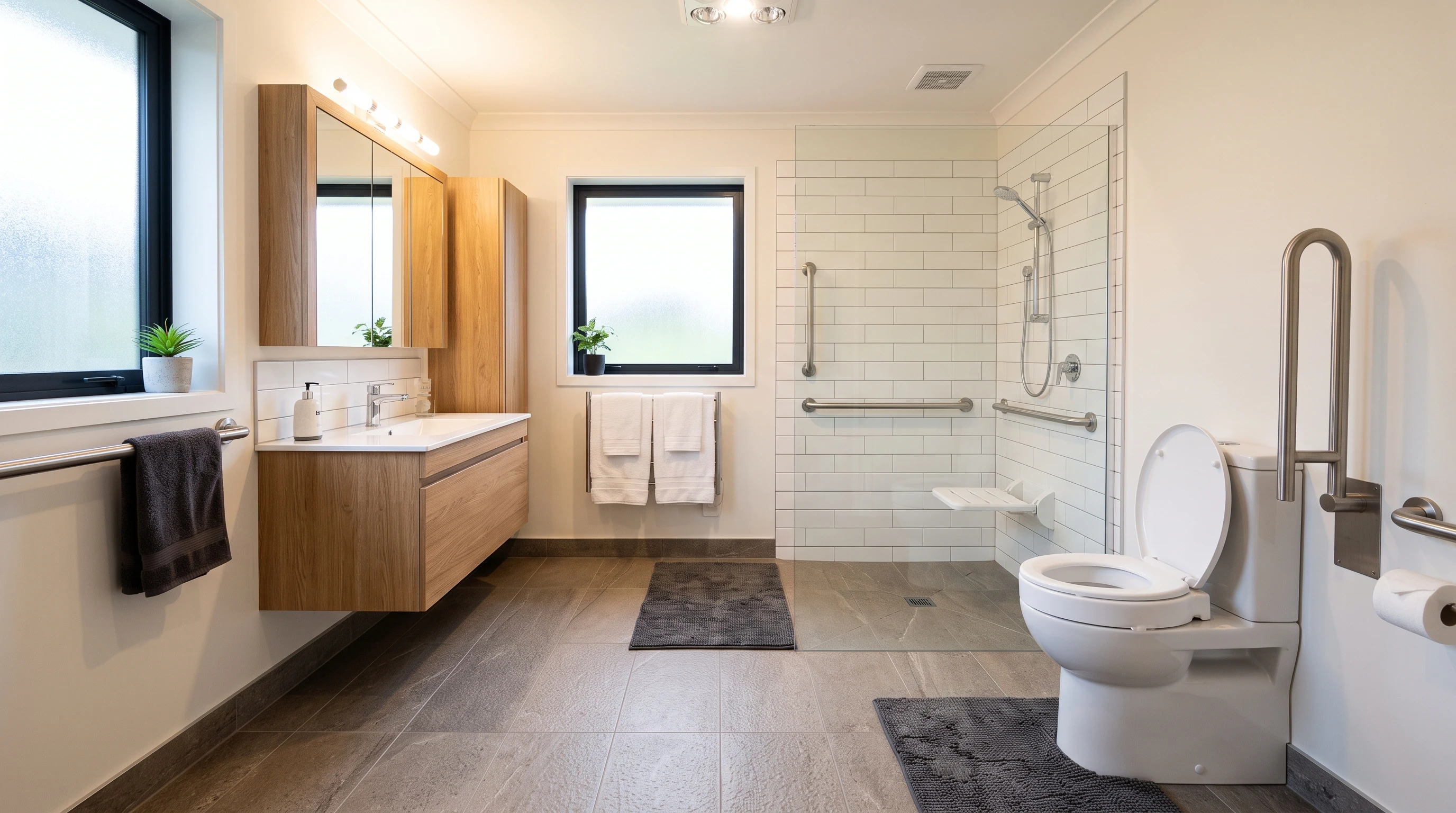
- Grab bars: Install these near the toilet, shower, and any area where extra support is needed. Choose bars rated for adult weight, not just towel racks.
- Raised toilet seats: These simple additions make sitting and standing much easier, and are easy to put in place.
- Shower chairs or benches: Sitting while showering cuts fall risk, and helps with fatigue or balance problems.
- Handheld showerheads: Flexible and easier to control when sitting or for people with limited movement range.
- Improved lighting: Swap for brighter bulbs (within fixture guidelines) or use motion-activated night lights.
- Leverstyle faucet handles: These require less grip strength; arthritic hands find them much gentler to use.
If your setup is a rental or just temporary, many of these fixes are nonpermanent and can be removed later. Always doublecheck instructions to make sure grab bars are anchored safely. Studs or solid surfaces are absolutely needed for safety in this area.
From hands-on professional experience, something as simple as adding a grab bar or putting down a nonslip mat often leads to immediate relief and a sense of security for older adults. More than one family I’ve worked with said their loved one started showering with more confidence once grab bars and a shower bench were in place. These quick wins can mean the difference between worry and peace of mind every single day.
Common Mistakes and Overlooked Hazards
- Too many loose rugs or mats that slip rather than stay put.
- Underestimating the need for grab bars or avoiding them due to looks; safety should always come first.
- Stacking toiletries or supplies where reaching means leaning or standing on tiptoe, which throws off balance.
- Low contrast between fixtures and floors, making it tough to see steps or transitions for those with vision issues.
- Ignoring slow plumbing leaks, which can mean hidden puddles or mold growth.
- Leaving electrical items like hairdryers plugged in where water could splash.
Many of these mistakes are easy to miss if you’ve never lived with limited mobility or balance trouble before. Taking a second look at these areas can help avoid unnecessary risks and make the bathroom safer for everyone.
Room-by-Room: Bathroom Safety Recommendations
The bathroom has a few “trouble zones” that need special attention:
The Bathtub and Shower Area
- Install slipresistant decals or mats inside the tub or shower. These help prevent dangerous slips on wet surfaces.
- Use a bath chair and handheld sprayer for safer seated bathing. This makes washing easier for those who tire easily or struggle with balance.
- Keep soap, shampoo, and towels within easy reach so there’s no leaning or stretching.
- If standing is tough, consider a walkin tub or shower—just weigh this against the cost and need, as simpler updates often work well too.
The Toilet Area
- Raised seats and grab bars help make transfers easier, especially after surgery or for balance issues.
- Store extra toilet paper, wet wipes, and cleaning supplies close by; fewer steps mean fewer hazards when using the bathroom.
The Sink and Vanity
- Install antiscald devices to prevent burns from sudden hot water surges.
- Make sure mirrors, cabinets, toothbrushes, and other items are easy to reach without stretching or bending down low.
Flooring
- Only use slipresistant flooring. If new floors aren’t possible, put nonslip mats wherever water collects.
- Clean up spills right away to keep the surface from getting slick and dangerous.
Warning Signs a Bathroom May Not Be Safe
- Unexplained bruising, or your loved one suddenly avoiding showering or bathing.
- Looking for things to hold onto that aren’t really meant for support.
- Clues like wet footprints or towel bars pulled loose from the wall.
- Noticeable loss of confidence when walking into the bathroom or leaving it.
Spotting these signs early lets families jump on problems before a fall can happen. Open conversations build trust and help everyone stay focused on keeping independence intact.
Questions Families Should Ask
- Has anyone felt unsteady or worried about falling in the bathroom lately?
- Are all medications up to date, and do any of them cause dizziness or balance problems?
- Is a vision check scheduled? Even smaller changes in sight can throw off depth perception.
- Could balance or strength exercises (guided by a healthcare pro) help with safer bathroom routines?
- Are there daily tasks that feel less safe than they used to?
Bringing up these questions with healthcare providers is a smart step before problems arise. Prevention works far better than having to react after a fall.
When to Ask for Professional Help
- If big changes in mobility bring the need for a walker or wheelchair, the bathroom setup might need expert upgrades or layout changes.
- For custom grab bar installation or any significant plumbing or electrical updates, it’s best to ask a pro for help.
- If cognitive changes make bathroom safety tough, an occupational therapist can suggest adjustments to make routines easier and safer.
- After any fall or almost-fall in the bathroom, review safety options with a professional to stop it from happening again.
Don’t hesitate to reach out for an in-home safety check from local agencies, therapists, or contractors familiar with accessible home updates.
Frequently Asked Questions
Question: What’s the first change I should make in a senior’s bathroom for better safety?
Answer: Start with top-quality nonslip mats and sturdy grab bars. They’re affordable, simple to put in, and make a dramatic difference for stability right away.
Question: How do I know if my parent needs more help in the bathroom than they’re letting on?
Answer: Watch for hints like wet towels left on the floor, new bruises, or skipped bathing routines. Honest talks and a safety check make it easier to spot what’s needed before anything happens.
Question: Are walkin tubs and showers worth the cost?
Answer: For some people, they are—yet simple updates such as handheld sprayers, shower chairs, and nonslip mats can make a massive improvement. Not every home requires a remodel if easier fixes help keep everyone safe.
Key Takeaways for Bathroom Safety
Even a small change in the bathroom can help someone hang on to their dignity and stay independent. Focus first on balance, stable handholds, and lighting, then try additional safety steps from there. Shop for nonslip mats, grab bars, and easy-to-use handles. Let older adults help make decisions; confidence is just as valuable as comfort. Most falls can be prevented, so every safety update helps extend the time someone can stay at home comfortably.
Keeping falls and injuries at bay doesn’t have to be overwhelming. Watch for opportunities for improvement, ask questions, and invite family or healthcare experts to offer suggestions. Each positive safety step is a move toward staying secure and confident in your own home.