Staying steady on your feet can get trickier with age, but picking the right shoes often makes a world of difference for seniors hoping to avoid falls. Every detail, from the type of sole to the way shoes fit, shapes both stability and confidence no matter where you’re walking.
I’ve helped family members track down shoes that support them, and there’s a lot to think about—especially when slippers for around the house come into play. Below, you’ll find a down-to-earth guide focusing on the best shoes and slippers to help prevent falls in older adults, including what to avoid, how feet might change as we age, and some handy shopping tips.
Why Good Shoes Make a Big Difference for Seniors
As people age, natural changes in the body can mix things up with balance and coordination. We lose muscle, reflexes become slower, and joints may feel stiffer. Even small things like shoes being too tight or too loose can spell the difference between a steady step and an unexpected fall; that’s where shoe choice really counts.
Falls are pretty common among seniors, and bad shoes play a bigger part than many realize. According to the Centers for Disease Control and Prevention (CDC), falling causes millions of injuries every year among older adults. The right shoes can seriously cut down the risk and keep confidence up when moving around the house or outside.
The Best Shoe Styles to Prevent Falls in Seniors
There are certain styles and features I always look for when helping someone pick out shoes for fall prevention. Each type has strengths, so it really depends on who’s wearing them.
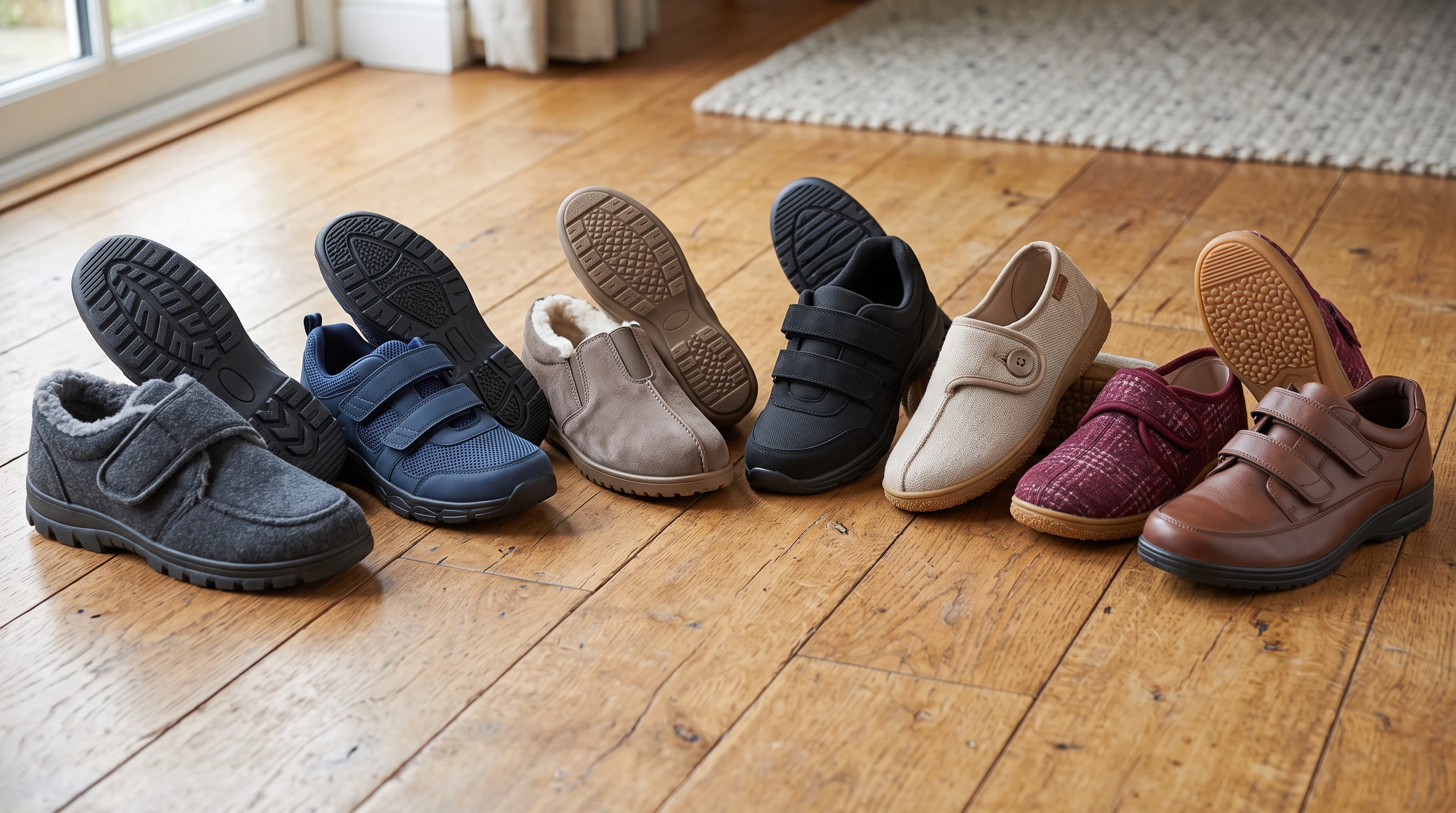
- NonSlip Sneakers: A good quality sneaker with a nonslip sole is one of the safest options for daily wear. They provide cushion, grip, and typically fit well.
- Adjustable Walking Shoes: Styles with Velcro or adjustable straps offer a secure fit that’s easy for older hands to use. Adjustable shoes help stop any trips from loose laces.
- Supportive Loafers or Flats: For those who want something a bit dressier, loafers or flats—choose ones with firm heel support and slipresistant soles. Just make sure they aren’t too flat and provide some arch support.
- Rehabilitation or Orthopedic Shoes: These shoes are designed especially for people with sensitive feet or medical conditions like diabetes, arthritis, or swelling, and they usually come with extra depth and support.
An extra tip—some brands now offer shoes with features created just for seniors, such as more forgiving fasteners, extra padding, and easy cleaning, giving both comfort and confidence a boost.
Key Support and Design Features to Look For
Checking out the features is about more than just finding a soft cushion. Here’s what I always focus on when shopping for senior shoes that fight falls:
- NonSkid Soles: Rubber soles with a good tread truly matter. Smooth soles can be far too slippery on slick floors like tile or hardwood.
- Low, Wide Heels: A small heel (not more than an inch high) can actually help prevent falls a bit better than shoes that are totally flat. The trick is making sure the heel is broad, not skinny or spiked.
- Secure Closure: Shoes that fasten with Velcro or sturdy straps keep feet in place. Laces can work, but only if tied snugly and checked often.
- Firm Heel Counter: This is at the back of the shoe. If it holds its shape, it steadies the heel and cuts down wobbling.
- Good Fit: Shoes should offer enough space to accommodate minor swelling or thick socks, but they shouldn’t be so loose that feet slide around.
- Breathable Materials: Lightweight mesh, leather, or fabric allow air in and keep things comfortable, which supports healthy circulation.
Some new shoes now mix in memory foam, orthopedic footbeds, and stretchable materials, all designed to help seniors stay confident and comfortable whether they’re inside or out.
The Kinds of Shoes and Slippers to Avoid
While some shoes might look stylish or feel okay at first, they’re not the best for preventing falls in seniors. Here are a few I strongly suggest avoiding:
- Backless Shoes and Slippers: Mules, slides, and styles without a heel grip make it easy for your foot to slip out.
- FlipFlops: They offer almost zero support and can be extremely slippery on smooth surfaces.
- High Heels or Skinny Heels: Even low “kitten” heels create real instability; stick with flat or low, broad heels.
- WornOut Shoes: Soles that have lost their tread or have holes just don’t grip the ground as they should.
- Heavy Boots or HardSole Shoes: Super heavy or hardsoled shoes can alter the way a person walks, upping the risk of losing balance.
How Aging Changes Feet and Shoe Needs
Feet really go through a lot over the years. Arches might drop, toes may shift or curl, and the natural padding at the bottom can get thinner. Swelling—sometimes brought on by medication or certain medical problems like diabetes and arthritis—just adds to the shoe-finding challenge.
Here’s a thing that surprises many people: shoe size can change as we get older, sometimes making feet wider or even somewhat longer. Swelling during the day is normal, so it’s wise to try shoes on later in the day when feet are at their largest.
Seniors with neuropathy or reduced sensation need to be careful. Roomier, softer shoes can help avoid the blisters and sores that might otherwise sneak up unnoticed. Looking at shoes and socks every day for signs of red spots or pressure can prevent bigger problems down the line.
The Best Slippers for Preventing Falls
Slippers get a ton of use at home and can be overlooked, but picking a safe pair matters just as much as outdoor shoes. Here’s what to seek out in a senior’s slippers:
- Slippers with Nonslip Rubber Soles: Go for traction that works on tile or hardwood. Foam or thin fabric soles are too slick to trust.
- ClosedBack Slippers: Styles that keep the heel covered, like booties, help hold feet in place way better than anything open at the back.
- Snug Fit, Not Tight: Adjustable closures or stretch fabric keeps slippers secure without pinching.
- Washable Materials: Easy-to-clean slippers are important, especially for those who deal with swelling or skin issues.
I always avoid slippers with high heels, open backs, floppy construction, or decorations that could get caught. Even some ultra-fuzzy slippers can catch on steps or snag on flooring, so stick with simple, no-fuss designs for safety’s sake.
Shopping Tips for Buying Senior Shoes and Slippers
- Get your feet measured regularly since sizes can change with age and health shifts.
- Try shoes on late in the day for the best fit—your feet will likely be at their largest.
- Wear the socks or stockings you’d usually have on to get the real feel for fit.
- Take a walk on a hard floor to get a feel for grip and comfort before buying.
Common Questions About Shoes and Fall Prevention in Older Adults
Question: How do I know if a shoe actually helps prevent falls?
Answer: Look for nonslip soles, a firm back, and a closure that keeps the shoe snug. Try walking on different surfaces in the store and see if the shoe feels steady or wobbly.
Question: Is it better to wear shoes or go barefoot at home?
Answer: For most seniors, well-fitted slippers or shoes are safer than bare feet, especially on slippery floors. Good slippers cut down on the risks from sudden spills or uneven surfaces.
Question: What if my feet swell during the day?
Answer: Adjustable shoes and slippers are really useful. Go with styles that have Velcro or stretch panels so you can loosen or tighten as needed through the day.
Extra Tips for Safety and Comfort
Breaking in new shoes is key; wear them for short periods until they start feeling softer and more flexible. Replace shoes about every year or as soon as the treads wear down. I’ve noticed some people keep their favorite pair way too long, and it really ups the chance of slipping.
If comfort is hard to find, talk to a podiatrist—they can suggest shoe brands or even fit custom orthotic inserts. These can make all-day comfort much easier to achieve for sensitive or problem feet.
Little changes, like picking nonslip slippers or shoes with Velcro, make a huge impact on everyday safety for seniors. With a bit of patience and some testing, it’s totally possible to find shoes that are supportive, comfy, and easy to wear, both inside and out.