 Falls are no joke, especially for seniors or folks dealing with health challenges. They might not seem like a big deal at first glance, but falls can seriously mess with a person’s independence and quality of life. That’s where the 5 Ps of Fall Prevention step in as a total game-changer. This method is all about ensuring a safe and comfortable environment for those who might be at risk of falling.
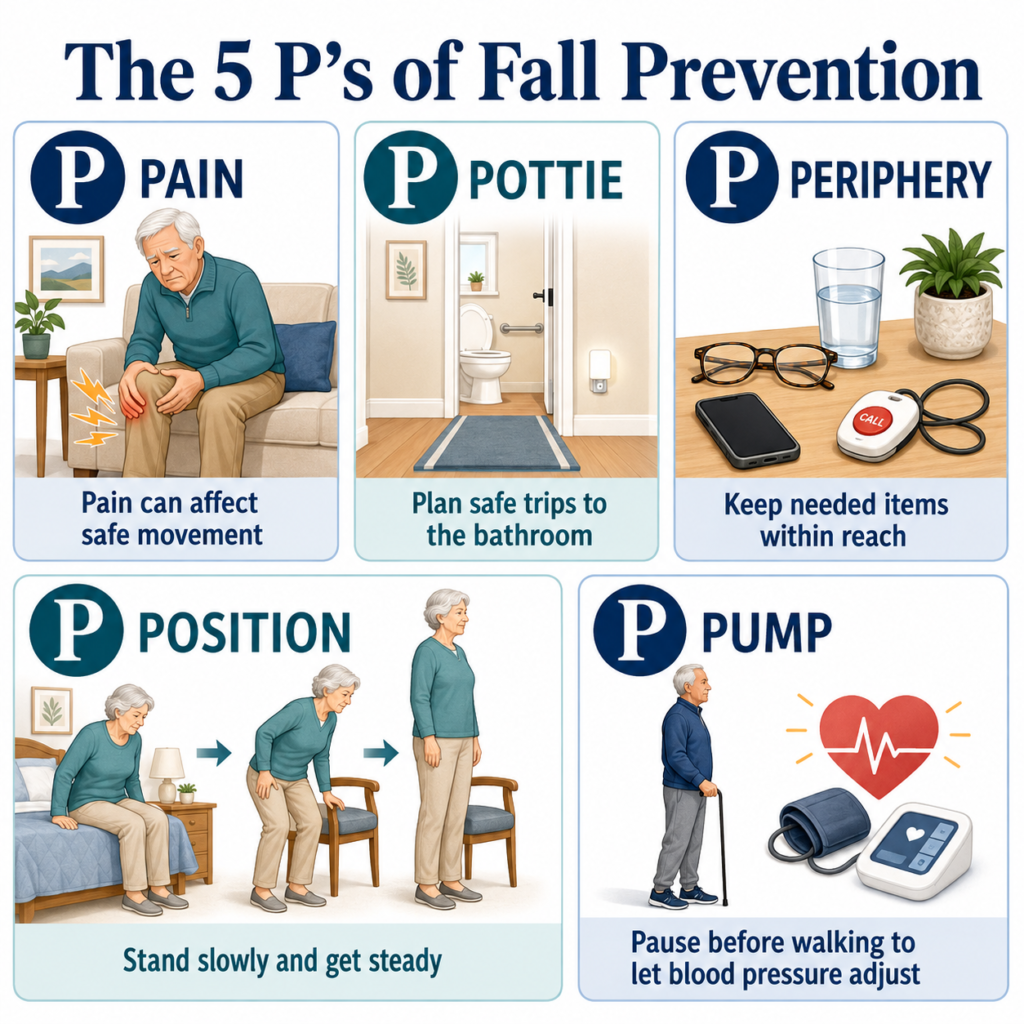
Pain, Potty, Periphery, Position, and Pump make up this practical checklist. Each ‘P’ stands for an area that, when properly checked and managed, can significantly reduce the likelihood of falls. These aren’t random picks; they’re strategic focal points that address the most common triggers for falls in healthcare settings and homes alike.
Getting to know the 5 Ps involves diving into the nitty-gritty of each element. Pain is about nipping discomfort in the bud before it causes someone to move unsafely. Potty covers all things, well, potty-related, ensuring people don’t rush to the bathroom and possibly trip. Periphery focuses on what’s around them—the environment and stuff placement. Position kind of speaks for itself—it’s all about how someone is positioned in bed or a chair to prevent accidental slips. Finally, Pump nudges towards the use of prevention strategies like exercise or technology to keep falls at bay.
This approach isn’t just some buzzword-y trend. The roots of the 5 Ps run deep in patient care, evolving to meet the needs of today’s healthcare challenges. By knowing and applying these aspects, caregivers and healthcare providers can create safer environments and promote greater independence for those at risk.
Big changes often start with small steps, and the 5 Ps offer a clear path for those steps. In the following sections, we’ll get into each ‘P’ and see how they play a part in preventing falls—because keeping folks safe and sound is what truly matters.
Pain: Addressing Discomfort to Prevent Sudden Movements
Pain can make folks do all sorts of unintentional things, like a sudden movement that leads to a fall. That’s why it’s crucial to tackle pain head-on. When you spot signs of discomfort, whether it’s from old injuries, arthritis, or post-surgery aches, taking action can seriously cut down fall risks.
Assessing pain isn’t just a one-and-done task. It requires ongoing attention and a readiness to adapt your approach. Watch for non-verbal signs like facial expressions or any changes in behavior, especially with those who might have trouble communicating. This helps in catching discomfort early before it turns into a risky movement.
Pain management strategies include everything from medication to physical therapies or simple adjustments like the use of supportive pillows or cushions. Sometimes, even just changing position can make a world of difference. A comfortable person is less likely to make those risky moves that could lead to a fall.
Real-life scenarios often show that when pain is managed well, folks become more mobile in a safer way. Caregivers have countless stories of how addressing pain—or even the anticipation of it—has prevented a potentially nasty fall. Talking and really listening to the person in your care about their pain is part of the solution.
Including them in conversations about pain management options can empower them and encourage safer behaviors. By reducing their pain, you’re not just preventing falls, you’re boosting their overall well-being and helping them maintain independence.
Potty: Meeting Personal Needs with Dignity and Safety
Rushing to the bathroom is a classic way folks end up taking a spill. Whether it’s due to urgency or limited mobility, there’s a clear link between unmet toileting needs and falls. Addressing this area isn’t just about safety; it’s about dignity, too.
Timely bathroom assistance is key. Ensure regular bathroom breaks and maybe even try scheduled toileting. This doesn’t just cut fall risks—it also builds a routine that keeps things predictable and manageable for everyone involved.
It’s not just about the bathroom itself, but also about the journey there and back. Clear pathways prevent trips and slips. Additionally, consider grab bars or supportive equipment to facilitate safe transfers and enhance stability.
Hydration and nutrition play roles here, too. A balanced intake helps regulate bathroom needs, cutting down the urgency factor. Diet adjustments can have surprisingly positive effects on regularity, lessening the rush to the toilet.
Caregivers who’ve embraced these practices report reductions in fall incidents. They see improvements in their loved ones’ comfort and confidence. At the heart of it, seeing to these needs fosters a sense of independence and respect.
Periphery: Safe Environment
Creating a safe environment is more than just good housekeeping—it’s about crafting a space where everything has its place and purpose. Think about how easily accidents can occur if a crucial item is out of reach or the floor is cluttered with obstacles.
Clear pathways are essential. Use straightforward organization strategies to ensure that movement throughout a room feels natural and unobstructed. Stuff like removing loose rugs or securing cords can majorly lower trip hazards.
Proper placement of essential items within arm’s reach makes a big difference. This avoids any unnecessary stretching or reaching that might compromise balance and stability, especially in an urgent situation.
Supportive technology or devices like adjustable beds or chair lifts can aid in proper positioning and independence. These tools keep individuals in the right spot, lessening their risk of falling significantly.
Stories from caregivers reveal that with thoughtful placement and positioning, there’s not just a reduction in falls, but an improvement in quality of life. When environments are organized and tailored, independence blossoms, and safety becomes second nature.
Position: The Art of Comfort and Mobility
Positioning plays a pivotal role in preventing falls, offering a blend of comfort and strategic support. It might seem straightforward, but the way a person is positioned can greatly influence their risk of falling.
Proper positioning helps pressure relief, which ensures good circulation and prevents discomfort. With less discomfort, there’s less fidgeting and fewer risky movements. The goal is to have someone’s body supported so they aren’t tempted to make sudden moves.
A key technique is the ‘Stand and Pause’ method, which prepares individuals for safe movement. Encouraging them to sit up, pause, and then stand gives their body a moment to adjust, reducing the risk of a dizzy spell or imbalance.
Supportive aids, like cushions or adjustable furniture, bring an added layer of security. These tools help keep someone safely positioned, making it easier for them to settle into a comfortable, stable state where they’re less likely to fall.
Feedback from caregivers is overwhelmingly positive when it comes to focusing on positioning. Not only do they notice fewer falls, but they see their loved ones enjoying greater independence and confidence. When positioning is handled thoughtfully, it makes a world of difference in safety and quality of life.
Pump: Proactive Measures and Prevention Strategies
Being proactive with prevention can be a real lifesaver. Pump doesn’t just refer to hydraulic lifts in this context. Instead, it’s all about pumping up the prevention efforts to ensure those at risk stay safe and sound.
There’s a host of exercises and mobility programs designed to boost strength and balance, both of which are crucial for preventing falls. Simple activities, like leg lifts or marching in place, can have a substantial impact over time.
Technological advances have given us some neat tools for fall prevention. Smart wearables and alert systems keep caregivers and family members in the loop, flagging unusual movements and alerting when assistance might be needed.
Cultivating a culture of awareness and safety takes teamwork. Involving family, caregivers, and even friends in prevention strategies creates a network of support. It turns fall prevention into a community effort, rather than a solo mission.
Caregivers share stories of how these proactive efforts have not only stopped falls but have also empowered individuals. When someone is active in their safety plan, there’s a notable increase in their confidence and overall wellbeing.