Good lighting at home gets overlooked way too often, especially when it comes to safety for seniors. Over my years as an EMT First Responder and later as a Retirement Community Safety Director, I’ve seen more injuries—and sadly, even deaths—caused by poor lighting than most people realize.
The wild thing is, so many of those accidents could have been avoided with some simple fixes. Here, I’ll break down lighting safety tips for elderly folks that make a real difference, and share some firsthand insight along the way.
Why Lighting Safety is Super Important for Older Adults
As people get older, eyesight often isn’t what it used to be. Low contrast, glare, and not enough light in certain spots make it tricky to see obstacles or changes in flooring, like from carpet to hardwood. Mix that with slower reflexes and maybe some balance problems, and the chance of getting hurt goes up fast.
During my EMT calls, I responded to trips on staircases, rug corners, pet toys, and even things as simple as a misplaced shoe by the front door. All of these happened because the lighting was dim or uneven. Later, working in retirement communities, I saw that better lighting setups led to fewer ambulance calls. It’s not just about seeing where you’re going; it’s about keeping folks safe where they live.
Common Lighting Hazards Found at Home
Some lighting issues pop up in almost every house. Here are the top ones I’ve dealt with on the job:
- Dim Halls and Stairs: A single bulb for a hallway or staircase just doesn’t cut it. Missed steps and slips are super common here.
- Glare on Floors: Shiny floors plus harsh ceiling lights can hide objects or trip hazards, especially if someone wears bifocals or has cataracts.
- Poorly Lit Entrances: Dark porches or stoops make it tough getting the key in the lock, and increase the risk of falls off single steps or small ledges.
- Mismatched Bulb Types: Having a mix of color temperatures or bulb types creates weird shadows or patchy lighting that confuses the eyes.
- No Nightlights: Getting out of bed to use the restroom at night is a recipe for disaster if it’s pitch black.
Every one of these risks can be improved, and often without a big cost. Even the smallest lighting upgrade might be the thing that prevents the next fall. Over time, regular checkups to spot dim areas or burned out bulbs also help, especially where eyesight is already a challenge.
Setting Up Safer Lighting at Home
Improving home lighting doesn’t have to be complicated. Here’s what I recommend based on real fixes that have worked for people I’ve helped:
- Use Bright, Even Lighting Throughout
If you upgrade bulbs to brighter, energyefficient LED ones (at least 800 lumens for living spaces), you’ll get a lot more visibility. Make sure rooms have enough fixtures, especially in places where people walk the most. - Install Nightlights in Key Areas
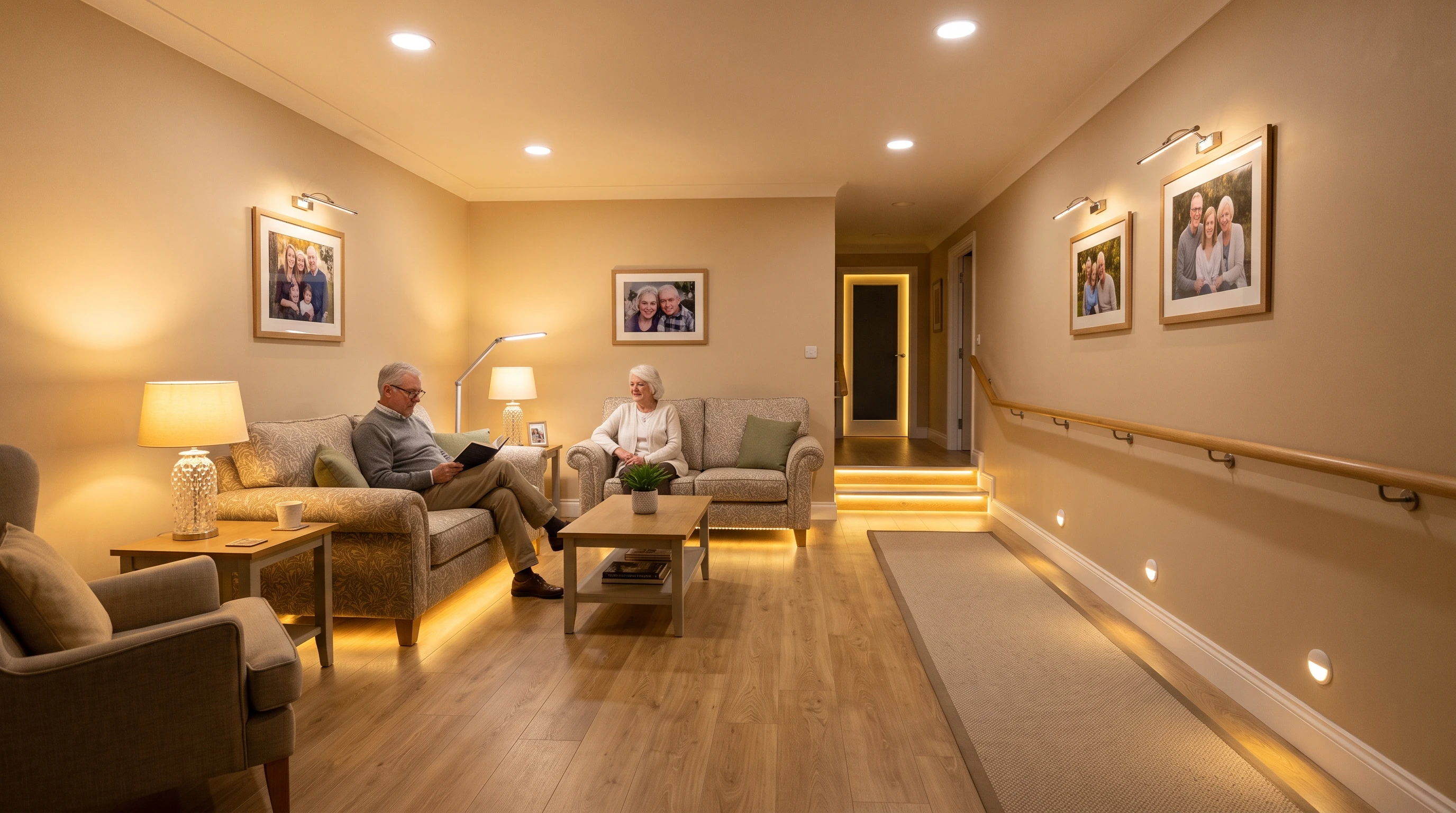
Nights are when so many falls happen. Simple plugin nightlights or motionsensing LED strips in bedrooms, bathrooms, and hallways make a big difference. I always kept a stash of nightlights handy for emergencies, and quickly found that using them led to fewer midnight accident calls. - Add Step and Handrail Lighting
Stairways and steps inside and outside get safer with wellplaced lighting. LED stair lights or even basic stickon lights are worth checking out for making edges stand out. - Pay Attention to Glare
Lampshades, indirect fixtures, or bulbs aimed at the ceiling reduce harsh reflections that make it hard to spot stuff on the ground. - Make Sure Entranceways are Well Lit
Better porch lighting, like a motion detector floodlight or a permanent LED fixture by the door, comes pretty handy, especially when someone’s trying to unlock the door carrying groceries or using a walker.
Practical Tips for Every Room
Living Room & Family Areas
Multiple sources of light do more for safety than one bright overhead bulb. Table lamps, floor lamps, and sconces placed at eye level can help eliminate dark corners and shadows. Always avoid running lamp cords across walkways—a quick fix is taping cords along walls or using cord covers. I’ve seen more than a few sprained ankles from those sneaky cords.
Another useful trick is to use bulbs that mimic daylight. Natural-feeling light reduces eye strain, makes reading easier, and can even give a boost to someone’s mood. When families host gatherings, checking the living area lighting ahead of time makes visits safer for seniors who might not be as familiar with the room layout.
Bedrooms
Switches near the bed save a lot of hassle. There’s no awkward walk across a dark room just to turn off the light. Lights with pull cords or remote controls are super useful for anyone with mobility issues or who just wants an easier night routine. A motionactivated nightlight by the bed helps with those late-night bathroom trips.
Consider putting a lamp on both sides of the bed, too. That way, no matter which side someone gets up on, there’s always light available. Organize the walking path from the bed to the bathroom and closet so it’s clear of obstacles and well lit. Seniors sometimes drop objects beside the bed; a handheld flashlight on the nightstand can be handy for quick searches.
Bathrooms
Bright vanity lighting is really important, and don’t forget a nightlight here too. Glare-resisting LED lights help, and antifog mirrors allow for clearer vision if someone’s just showered. Grab bars nearby are good, but only helpful if they can be seen clearly in good light.
Non-slip mats and toilet seat nightlights are small extras that tie into better bathroom safety. Make sure soap, towels, and other essentials are all in easy reach with enough light to spot items without squinting or reaching awkwardly.
Kitchen
Countertop lighting helps with food prep and avoiding knife accidents. Undercabinet lights are a great upgrade and not tough to install. I’ve seen burns and injuries in kitchens that brighter, more focused lighting would have prevented.
Make a routine of checking bulbs above the stove, sink, and any workspaces. If possible, use bulbs with a cool white color temperature for accuracy while chopping or reading labels. Keep nightlights near kitchen entrances for those late-night snack trips, too.
Outdoor Areas
Porches, driveways, and steps outside need motiondetecting or dusktodawn fixtures. Solarpowered path lights work well for illuminating walkways. One story that sticks with me: a resident in a retirement community tripped going to check the mail at dusk because the sidewalk was just too dark. Adding a few path lights fixed the problem, and he was back to fetching his mail safely the next evening.
Outdoor lighting goes beyond front entrances. If there’s a backyard, make sure the walk from the house to the gate or shed is well lit. Sensoractivated lights can scare off unwanted animals as well as keep people safe.
Choosing Safe Lighting Fixtures and Bulbs
LEDs work well for seniors. They don’t get hot, last a long time, and come in plenty of brightness and color choices. I always suggest bulbs labeled “soft white” (2700K–3000K) for bedrooms and living rooms, and “daylight” bulbs (4000K–5000K) for kitchens and bathrooms. This gives the best mix of comfortable and strong lighting.
Avoid bulbs or fixtures needing tricky replacement if someone can’t reach easily, since swapping out bulbs while balancing on a chair is a fall risk itself. If possible, choose ones that last longer to minimize how often anyone needs to mess with them.
If you’re shopping for lights, look for features like adjustable arms or easy-to-reach switches. Many stores now carry portable, stick-on, battery-powered lamps that can be put on stairwells, closets, or any spot that’s tough to light with typical fixtures.
Low-Cost Upgrades That Make a Real Difference
- Plugin or batterypowered nightlights: Cheap, fast to add, and help a ton with visibility.
- Motion sensors: Can attach to any existing lamp to turn it on when someone enters the room.
- LED strip lights: Easy to mount under cabinets, along stairs, or at the baseboard for a soft glow.
- Smart bulbs: Controlled from a phone or smart speaker, which means less moving around the house.
These minor improvements chipped away at our incident reports every year. The most satisfying part was seeing residents feel more confident in their homes.
Even the act of investigating and updating the lighting setup can involve family members and caregivers, giving everyone peace of mind. If hands-on help is needed, many utility companies or senior support groups partner with volunteers who can adjust or install lights at no cost or for a very low fee.
Frequently Asked Questions about Lighting for Elderly Safety
How bright should home lighting be for older people?
I recommend using bulbs that are at least 800 lumens for living rooms and bedrooms, and 1100 lumens for kitchens and bathrooms. The right amount depends a bit on the room’s size and natural light, but most folks are surprised how much safer the home feels with brighter bulbs. Always watch out for glare, though.
Which rooms are the most important to focus on for lighting upgrades?
Start with hallways, stairs, bathrooms, and bedrooms. Areas people walk through at night or first thing in the morning are usually the riskiest for falls.
My budget is tight—can I still make things safer?
Definitely. Swapping in brighter bulbs, using stickon LED lights, and plugging in a few nightlights is surprisingly affordable. Ask family or friends for help with installation, or check if local community programs offer assistance for seniors. Safety isn’t about spending big, since small changes go a long way.
How often should I check my lighting setup?
Do a quick walk-through of your home every few months, especially with the change of seasons (some bulbs get dimmer over time). Having a neighbor or family member look with you is helpful; they’ll often spot things you miss because you’re used to seeing it a certain way.
Extra Resources to Boost Lighting Safety
- NIH Falls and Falls Prevention – Covers practical steps on all home hazards, including lighting.
- CDC Falls Prevention – Data, tips, and resources focused on older adult safety.
- AARP: Simple Lighting Upgrades – Ideas that work for any budget.
Getting the lighting right is one of the easiest ways to reduce falls and make a home feel safer, brighter, and more welcoming. From my own work in the field, I’ve seen how these changes shrink risks and actually build peace of mind for everyone. If you have questions or need help, local community centers or aging-in-place experts usually have more tips and might even offer free safety checks.