Falls are one of the biggest worries as a caregiver for people who want to keep living independently at home. After decades working in emergency response and senior safety, I know firsthand just how much a single fall can change everything—from mobility to confidence, and even how long someone can safely stay in their home.
The good news is, most falls can be prevented with a few sensible updates and daily habits, without expensive renovations or turning the house upside down. I put together this all-in-one guide to share the most practical, proven ways I’ve found over the years to reduce fall risk for older adults and help families figure out what works best.
Why Preventing Falls Keeps Independence Possible
It’s easy to think of falls as isolated accidents, but the impact goes way beyond bumps and bruises. Falls are the leading cause of injuries requiring hospital care in older adults, and recovery can be slow and frustrating. Even small falls can lead to lasting pain or a fear of moving around, which really chips away at independence. For many, that first major fall can mean a sudden move into assisted living, often far earlier than planned. That’s why
I put such a strong focus on prevention. Safer homes mean family members stay confident, active, and in control of their daily routines. It also means that the aging adult can continue pursuing hobbies they love and keep up with friends and community activities. Being able to keep making their own choices is what most people value most about staying at home.
Affiliate Disclosure: This post contains affiliate links. If you purchase through one of these links, I may earn a commission at no additional cost to you. As an Amazon Associate I earn from qualifying purchases.
Common Fall Hazards in Every House
Most fall risks are hiding in plain sight. Here’s a quick list that I see over and over on safety walkthroughs:
- Throw rugs and loose mats
- Cluttered hallways or rooms
- Poor lighting, especially at night
- Steps without sturdy railings
- Electrical cords across walking paths
- Slippery bathroom or kitchen floors
- No grab bars in key spots
What often surprises families is how a small change in health, like less vision or slower reflexes, turns these everyday things into hazards. A fall prevention plan has to mix physical home updates with open conversations about health, since both play a role. For instance, new medications that cause dizziness, arthritis flare-ups, or even trouble seeing in low light can make yesterday’s safe hallway a new danger today.
Top Ways to Make Your Home Safer, Without Major Renovations
I always suggest starting with the quick fixes that give the biggest boost in safety. Here’s where I see families get results fast:
- Improve Lighting: Swap out bulbs for brighter ones, add nightlights in hallways and bathrooms, and place lamps in darker corners. Motion-activated lights are especially handy for nighttime trips to the bathroom or kitchen.
- Clear Walkways: Keep halls and routes to bathroom, bedroom, and kitchen free of boxes, stacks of magazines, or shoes. Relocate small furniture and baskets that create obstacles.
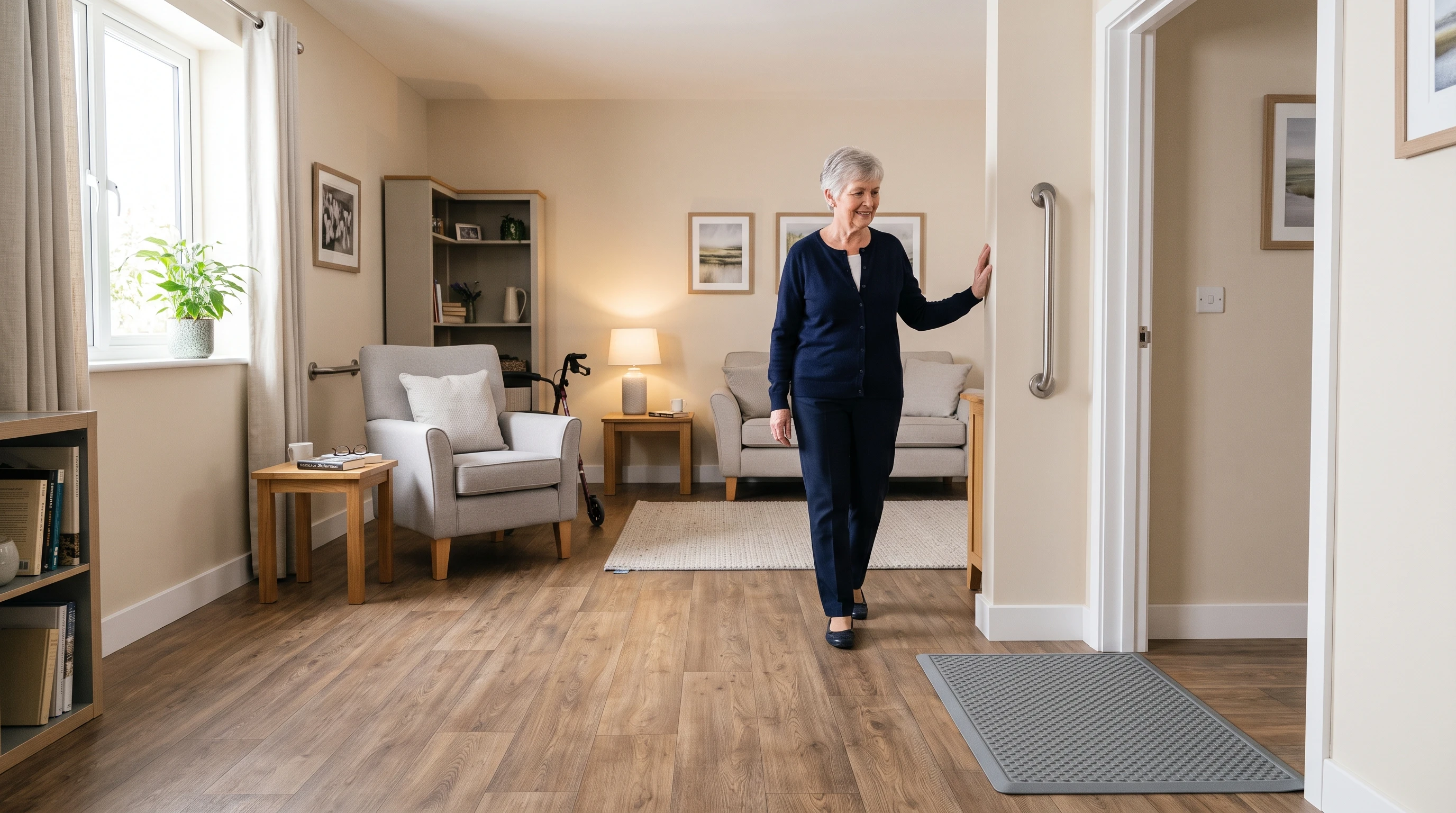
- Secure Rugs and Mats: Either remove rugs or use strong, nonslip backing. Even thick carpets can bunch up and trip someone with a shuffling gait.
- Cord Control: Bundle electrical cords and keep them well out of pathways. Use cord organizers or run cords along the wall where feet can’t catch them.
- Add Grab Bars and Handrails: Install sturdy grab bars in the shower and beside the toilet. If there are stairs, having two handrails, one on each side, makes moving up or down much more stable.
- Nonslip Surfaces: Place nonslip mats in showers and tubs. A thin nonslip coating can be applied to slick tiles in bathrooms and kitchens.
It’s surprising how affordable most of these improvements are at home stores. Occupational therapists or professional home safety evaluators can also offer suggestions tailored to your family’s needs. Plus, many community programs or local agencies have checklists or can recommend trusted experts for assessments.
Room-by-Room Walkthrough: What to Check and Change
Entryways and Hallways
- Make sure all thresholds are easy to step over or install small ramps if needed.
- Check for clutter—shoes, bags, and coats should never block the walkway.
- Consider a bench or sturdy chair by the door for putting on or removing shoes comfortably.
Living Room
- Arrange furniture for clear, wide pathways, nothing requiring tight turns or weaving.
- Reduce low coffee tables or magazine racks that can be easy to miss with limited vision.
Kitchen
- Keep oftenused dishes and ingredients between waist and shoulder height to avoid climbing or reaching overhead.
- Clean up spills quickly and use nonslip mats in front of sinks or stoves.
Bedroom
- Set beds at an easy height to sit on and stand up from.
- Keep a lamp or flashlight within reach of the bed; place light switches where they can be reached easily when entering the room.
Bathroom
- Install grab bars by toilets and in showers/tubs.
- Add a sturdy shower chair if standing is tiring or balancing on one foot is hard.
- Ensure the floor is always dry—nonslip mats are a simple fix.
Stairs
- Install secure handrails on both sides.
- Improve lighting both above and below the steps.
- Mark the edges of steps with brightly colored paint or tape for better visibility.
Pausing to look at each room through the eyes of someone with slower balance or limited vision helps spot what needs changing. For example, once on a home visit, I noticed a client’s kitchen rug had begun to curl up at the edges. Her family hadn’t thought much of it, but she’d begun shuffling her feet because of hip pain. The next week, without anyone noticing, she tripped on that rug and fell. Catching details like this, and talking openly with family, prevents accidents before they happen.
Warning Signs and What to Watch For
Preventing falls isn’t just about fixing physical hazards, it’s also about spotting changes in balance, health, or daily routine. Here’s what I encourage family caregivers to keep an eye out for:
- Unsteady walking, frequent tripping, or holding onto furniture more than usual
- Difficulty rising from chairs or getting out of bed
- Bruises or minor injuries that aren’t being explained
- Wearing shoes or slippers that are loose or worn out
- Changes in vision, hearing, strength, or memory
- New medications, especially those with dizziness or drowsiness as side effects
When I spot these, I always recommend discussing them directly with your healthcare provider or pharmacist. Adjusting meds, reviewing prescriptions, and scheduling a vision test can make a real difference in fall risk. If you’re unsure where to start, many pharmacies offer medication reviews specifically for seniors.
Simple Fall Prevention Checklist
This checklist helps families focus on key tasks that help reduce fall risk:
- Remove or secure loose rugs and mats
- Add grab bars in bathrooms and stairways
- Keep frequently used items within easy reach
- Replace dim light bulbs with brighter ones
- Use nightlights for nighttime trips to the bathroom
- Wear shoes with nonslip soles around the house
- Review medications with a healthcare provider
- Encourage regular exercise, such as walking or gentle strength training
- Schedule regular vision and hearing tests
- Clean up spills quickly, don’t let them wait
Even one improvement checked off the list helps build safety over time. Families sometimes create a laminated version of this checklist and hang it near the kitchen or front door—making it easy to update and track progress along the way.
Most Overlooked Fall Risks Professionals Notice
Families often miss some hazards that stand out to experienced responders and safety assessors. Here are a few:
- Pets and food bowls in walkways—dogs and cats can quickly tangle with feet moving slowly
- Bathrooms with soap or shampoo bottles on the tub or shower floor, easy to trip on when stepping in or out
- Lack of a sturdy phone or medical alert system accessible from the floor or bed
- Steps with worn, loose, or shifting carpet
On every home visit, I look for solutions to these small but real risks. For example, a client once had a habit of leaving her cane leaned up against a wall just out of reach from her favorite chair. By simply adding a cane holder beside the armrest, she no longer needed to stretch or bend at an awkward angle—reducing the chance of a fall when standing up quickly. These little tweaks add up to big results.
Frequently Asked Questions About Fall Prevention at Home
What’s the best way to talk with my parent about making safety changes?
Open, respectful discussions are really important. Emphasize that these changes help them keep their independence for longer, not limit their freedom. Remind them that you’re working together, and let them be involved in every decision. Asking gently and offering choices can help maintain a sense of control.
Is exercise actually helpful for preventing falls?
Absolutely. Gentle strength training, tai chi, or walking can make it much easier to stay balanced and react if a trip or slip happens. Always check with a doctor or physical therapist first for safe programs. Many community centers and senior centers offer special movement classes tailored for fall prevention, and even light daily stretching can make a difference.
Are medical alert systems worth it?
For anyone living alone or who’s had even a minor fall in the past, a medical alert button can offer peace of mind. There are options for every budget, and you don’t need a landline to get started. Some even provide automatic fall detection, which can automatically call for help if movement sensors pick up a fall. That extra layer of protection means faster response and less time spent on the floor in an emergency.
Encouragement for Families and Older Adults
Fall prevention isn’t about being afraid of what might happen. It’s about feeling confident, staying active, and making the home an even better place to grow older. The small choices families make today, like swapping a dark lightbulb or moving a rug, can keep loved ones on their feet and in control of their own story. Preventing falls is a process, not a quick fix, but even tiny changes add up over time.
If you have questions or need help finding the right resources, check with your healthcare provider, your local senior center, or a home safety professional who understands aging in place. Making a home safer means keeping the door open for new memories, more independence, and years of life lived fully at home.
Tracy, your professional perspective makes the case that fall prevention is really about preserving choice, confidence, and everyday independence, not simply avoiding injuries. Pets and their bowls deserve special attention too, since even a familiar husky or cat can become an unexpected obstacle when someone is moving more slowly.
A room-by-room check paired with medication, vision, and mobility reviews feels like the most practical approach because risks change over time. I also think framing grab bars, better lighting, and clear walkways as smart home upgrades rather than limitations can make those conversations with family feel far more positive.
Hey Aly thanks for the comments. You are so right. Most of the prevetative measures don’t cost anything or cost very little to make big changes that save lives. Thanks!