
If you’re worried about slipping or losing your balance in the bathroom, a walk-in tub can really help take the stress out of bath time. Modern walk-in tubs come packed with smart safety features that make bathing safer and easier for folks dealing with reduced mobility or anyone just looking for a more secure soak.
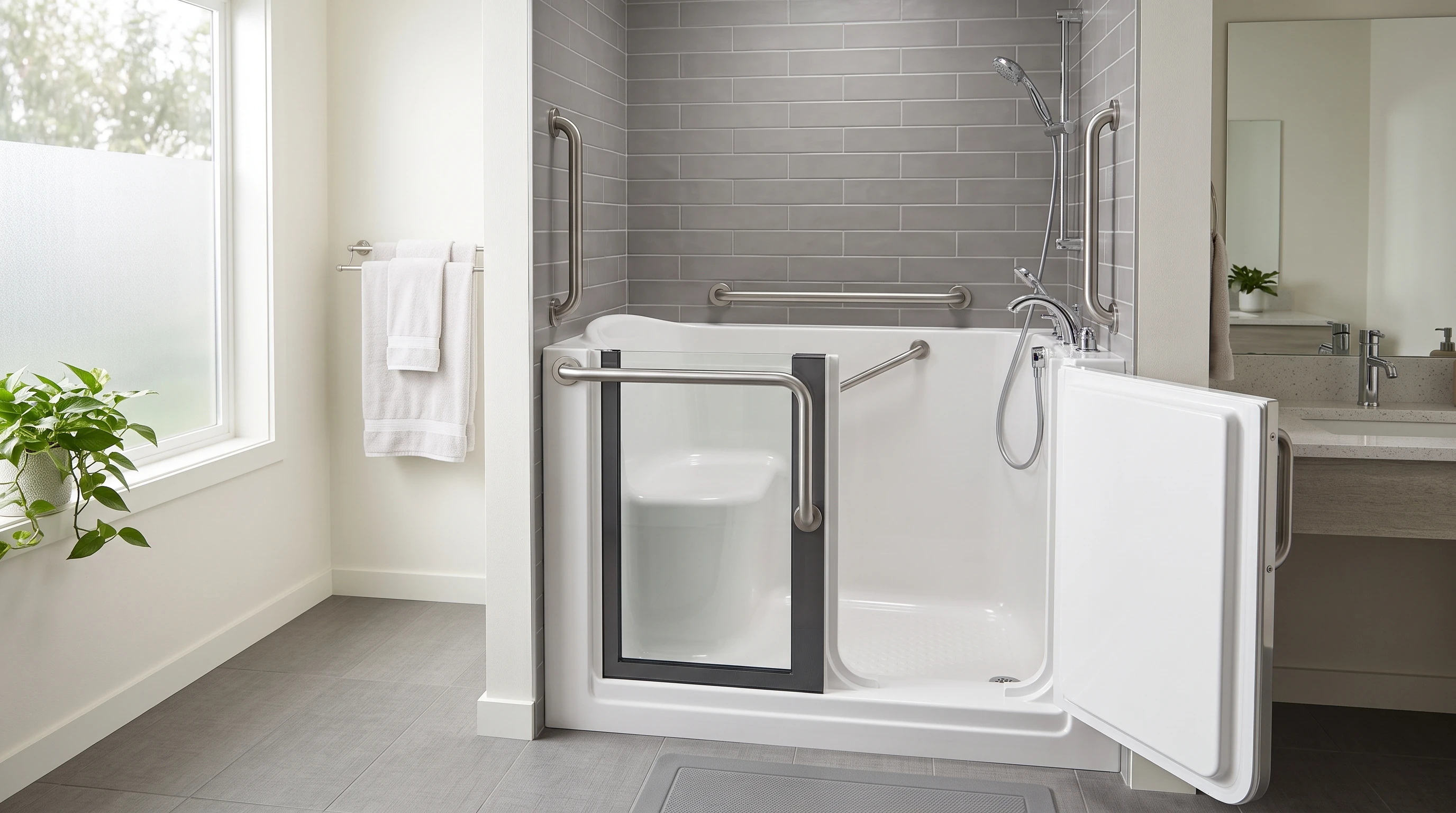
Why Walk-In Tubs Are a Safer Choice for Preventing Falls
Fall prevention is a big deal, especially if you or someone you care about is aging, disabled, or at higher risk of injury. The bathroom is a super common spot for accidents, usually because of slippery floors, high tub walls, and awkward movements. Walk-in tubs focus on making your time in the bathroom much safer by removing tricky barriers that come with standard bathtubs.
These tubs got their start in the 1960s as a safer option for people recovering from injuries or just dealing with daily aches and pains. Now, they’ve evolved with tons of new safety-focused tech. Investing in one isn’t just about comfort; it genuinely helps create peace of mind and independence at home. Some models are aimed specifically at seniors or individuals with disabilities, but anyone looking for that extra layer of bathroom safety can benefit, too. With the number of bathroom slips and falls each year, taking steps now—like getting a walk-in tub—can make a real difference for your long-term wellbeing.
Top Walk-In Tub Features That Help Prevent Falls
Modern walk-in tubs aren’t just about soaking in comfort. Their design is packed with safety features aimed at minimizing any chance of slipping or tripping. If you’re thinking of getting or upgrading a walk-in tub, here are some features worth checking out:
- Low Step-In Entry: The step for most walk-in tubs is usually about 3 to 7 inches high, much lower than traditional tubs. This small step helps people get in and out without having to lift their leg dangerously high.
- Wide, Easy-Open Doors: Most models have leakproof doors that swing open, often inward. Some even offer outwardswing doors for easier wheelchair access or if you need extra space.
- Non-Slip Textured Flooring: The floor surface inside a walk-in tub is specially textured or coated to create grip, reducing any chance of your feet sliding around, especially once things get wet and soapy.
- Grab Bars and Safety Rails: Integrated grab bars are super useful for holding on to as you enter, bathe, and exit. Some tubs have multiple rails set at different heights for extra support, or you can have them added during installation.
- Built-In Seating: Instead of standing or crouching in a slippery tub, a walk-in tub includes a sturdy seat at a height similar to a regular chair. This seating gives stable support and is easier on joints or injuries. For folks who have trouble lowering themselves into standard bathtubs, this seat can be a game changer. Plus, many seats have contoured designs for better comfort and traction.
- Easy-to-Reach Controls: Controls for water temperature, jets, handheld showers, or drain stoppers are placed right within arm’s reach from the seat, so you won’t need to stretch or stand up. Some tubs even have color-coded or extra-large knobs for those with visual or dexterity challenges.
- Handheld Shower Wands: A hand shower lets you clean up from a comfortable, seated position, limiting unnecessary movement that could throw off your balance.
- Quick Drain Technology: Waiting for water to drain can be risky (especially if you need to open the door). Many newer tubs use fastdraining systems that empty the tub in less than two minutes, so you spend less time standing and waiting. This not only keeps you safer but also saves time and avoids chills.
What to Look for When Shopping for Fall-Prevention Walk-In Tubs
The right walk-in tub can make all the difference, but not every tub offers the same features, quality, or fit for your bathroom. There are some key things I always suggest looking out for if fall prevention is your top priority:
- Door Seal Reliability: Make sure the door has a top-rated, leakproof seal, especially if you’re getting an outwardswing model. The last thing you want is water leakage causing a slick floor outside the tub.
- Material Quality: Acrylic and fiberglass are both solid options, but acrylic is a bit more slip resistant and longer lasting. Some tubs are also reinforced for extra durability.
- Customized Safety AddOns: Don’t be afraid to ask if you can add extra grab bars or nonslip mats as needed. Some people need higher rails, while others benefit from a second seat for a caregiver’s help. Some manufacturers also offer textured anti-slip tapes or extra-thick seating cushions for more comfort and safety.
- Size and Access: Get precise measurements of your bathroom space and consider who’s using the tub. A wider door or deeper seat isn’t always needed, but for wheelchair or walker use, these can be super important.
- Ease of Use: Test the handle strength, check that controls turn easily, and make sure seats are sturdy and comfortable before finalizing your purchase. Don’t forget to check how easily the door latches and unlatches, since that can make a big difference for those with hand strength issues.
Cost Range and Value Tips for Walk-In Tubs With Safety Features
You’ll see a pretty big range in walk-in tub prices. Basic models with reliable safety features (like grab bars, low stepin doors, and builtin seats) usually start around $2,000 to $3,500. If you’re adding extra therapy jets, quick drain tech, or deluxe finishes, costs can shoot up to anywhere between $6,000 and $10,000, sometimes higher, especially with installation.
Installation itself can run $1,000 to $3,000 depending on what needs changing in your existing bathroom, like moving plumbing, widening doors, or reinforcing the floor. Planning for professional installation is a good idea for most folks, since improper setup could make the tub less safe or even cause leaks over time.
For those on a tighter budget, some manufacturers offer simple walk-in tub kits or conversion packages that use your existing bathtub shell. These don’t have every possible safety feature but come at a much lower price (sometimes under $1,500), which works in certain situations. Remember that cheaper options may mean giving up some custom safety features, so compare carefully before you make a decision.
Common Pros and Cons of Safety-Focused Walk-In Tubs
There’s a lot to love about walk-in tubs, especially when safety is your main concern, but it’s always good to weigh the trade-offs. Here’s what I typically mention to people who ask about upgrading to a walk-in:
- Pros:
- Way easier and safer to get in and out (thanks to the low entry and sturdy seat)
- Customizable with lots of different safety and comfort features
- Reduces dependence on others for basic hygiene
- Can add value and appeal if selling your home to folks in similar life stages
- Makes it easier for caregivers to assist without risking their own safety
- Extra hydrotherapy or massage options can provide relief for achy joints and muscles
- Cons:
- Can be pricey, especially for the most advanced models or for complicated installations
- You usually have to sit and wait inside while the tub fills and drains, which might feel chilly (unless you have rapid-fill and quick-drain features)
- Requires regular cleaning, especially in jets or along the seat, to avoid buildup
- May need bathroom modifications that add to total cost and installation time
Frequently Asked Questions About Walk-In Tub Safety
Below are a few common questions people run into when considering safety-first walk-in tubs:
Question: Are walk-in tubs safer than standard tubs for people with limited mobility?
Answer: Yes, walk-in tubs are designed specifically to be safer, thanks to their lower entry, seat height, and easy-to-grip surfaces. They also usually include grab bars and stable doors that minimize tripping or slipping.
Question: Do walk-in tubs prevent every possible fall?
Answer: While they lower the risk a lot, nothing can guarantee total fall prevention. However, a walk-in tub with nonslip flooring, grab bars, and a good seat definitely gives you a safer space than a regular tub or shower stall.
Question: Are there any insurance or grant options to help pay for a walk-in tub?
Answer: Sometimes. Medicare usually doesn’t help with the purchase, but Medicaid, Veterans Affairs, or local senior programs might. It’s smart to check out state and federal support programs before you buy, as well as talk to your walk-in tub seller about any discounts or flexible payment plans.
Troubleshooting and Maintenance Tips for Long-Term Safety
Keeping your walk-in tub safe means giving it a little attention over the years. Here are some basic tips I swear by to keep falls at bay and the tub working great:
- Check Grab Bars Regularly: Give them a tug once in a while to make sure nothing’s coming loose.
- Clean Nonslip Surfaces: Use nonabrasive cleaners so the texture doesn’t wear away; this helps keep them grippy.
- Inspect the Door Seal: Make sure the seal isn’t cracked or worn out; if it is, get it replaced ASAP to avoid water leaks and slippery floors.
- Flush Out Jets: If your tub has hydrotherapy or air jets, run a cleaning solution through them every couple of months to avoid buildup that can cause clogs.
- Look for Early Signs of Wear: Check hardware like latches, handles, and seat fixtures to catch small issues before they become real safety concerns. Swapping out worn parts promptly is key to preventing falls.
Taking care of your walk-in tub doesn’t just keep it looking good; it goes a long way toward keeping you safe every time you use it. Make a habit of quick visual checks for puddles or obstacles in the bathroom, and don’t forget that routine maintenance keeps your tub working like new.