
Shopping for a stairlift is a great way to improve home safety and independence, especially for older adults or those with mobility challenges. Stairlifts come in all sorts of styles, sizes, and features, and choosing the right one for your needs is really important.
From my years of EMS and Retirement community experience, I’ve worked with both families and healthcare providers who are weighing these options, so I know how many questions pop up. Here’s a practical guide to help you make a well-informed decision about stairlifts, all without feeling overwhelmed.
Affiliate Disclosure: This post contains affiliate links. If you purchase through one of these links, I may earn a commission at no additional cost to you. As an Amazon Associate I earn from qualifying purchases.
Understanding What Stairlifts Can Do for You
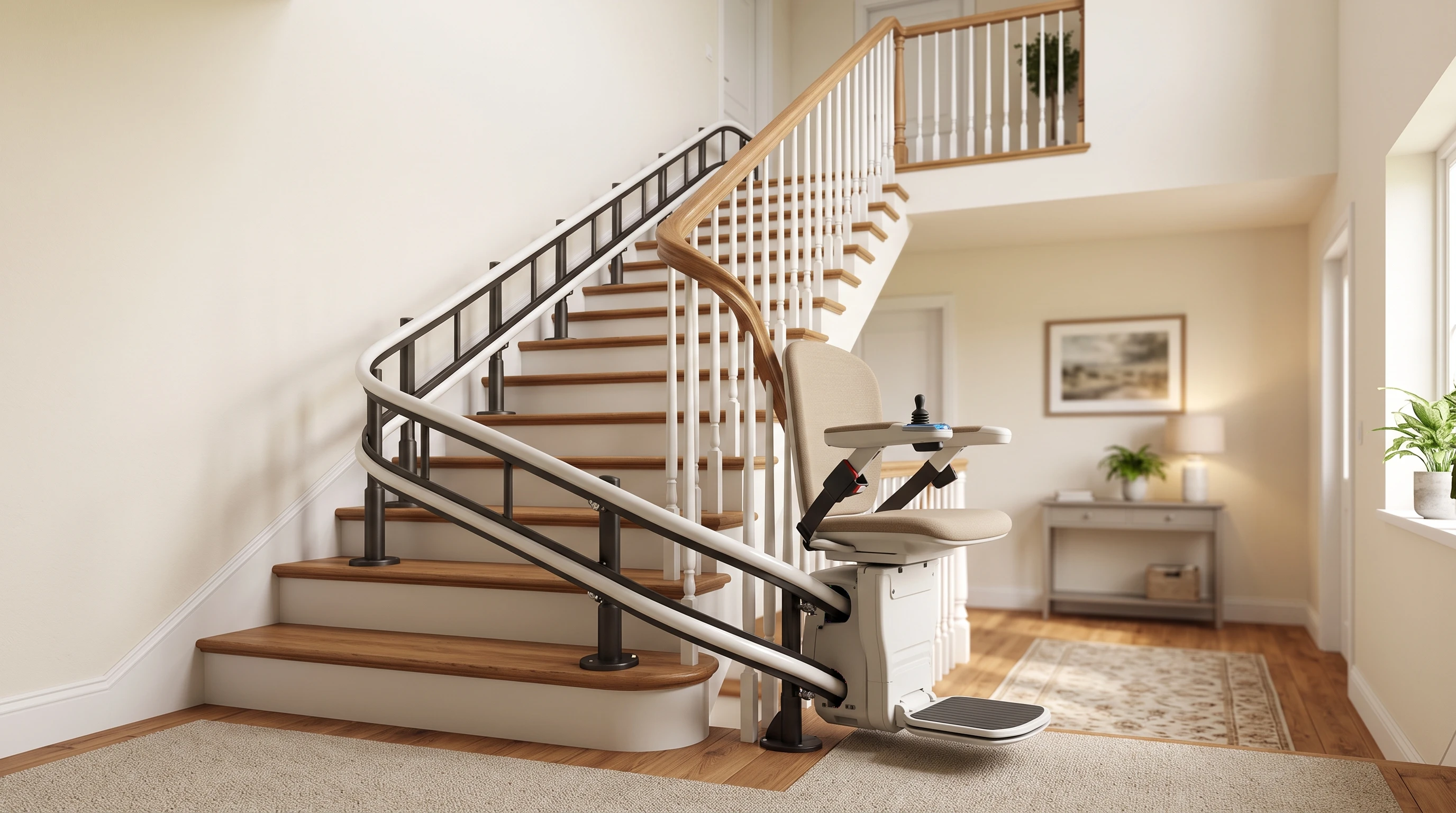
Stairlifts are motorized chairs that move up and down a staircase on a secure rail. They’re mostly installed to help reduce fall risks and make multistory homes much safer for people with balance issues, joint pain, or trouble climbing stairs. For many, a stairlift is the change that lets them stay at home longer without depending on family or outside caregivers for every trip upstairs.
Besides simple transport, stairlifts can give a boost in daily confidence and keep older adults from feeling “stuck” on one floor of the house. It’s not just about safety (although that’s a big part); it’s also about staying active in your own home, seeing friends, and not missing out on special moments with family just because a staircase feels off limits. With a stairlift, you keep access to your favorite spaces and routines.
Key Types of Stairlifts
Not every stairlift fits every home, and it’s super important to match the lift to your staircase and personal situation. Here are the most common types:
- Straight Stairlifts: These are the easiest and most budget friendly. If you’ve got a staircase that doesn’t curve or turn, this model is the one to start with.
- Curved Stairlifts: Custom made to fit staircases with landings, turns, or spirals. They take a little longer to install and do cost more, but they’re a lifesaver for trickier layouts.
- Outdoor Stairlifts: For outside steps, such as porch stairs or garden paths. Outdoor models are weather resistant and built to handle rougher conditions.
For homes with narrow stairs or very small landings, some models have compact designs that fold up when not in use. That makes a real difference in tight spaces. Also, some modern stairlifts come with slim rails and foldaway arms to maximize stair access for others.
Quick Steps to Choosing a Stairlift That Works for You
Stairlift shopping doesn’t have to feel like tackling a mountain of technical details. These tips will help you focus on what matters most:
- Assess Your Staircase: Take measurements; length, width, and note any landings or curves. Photos are handy if you need to show a professional installer.
- Consider User Needs: Weight limits, seat width, legroom, and comfort features should match the person’s everyday needs.
- Think About Controls: Most have easy to use buttons or toggles, but large buttons or remote controls can be even better for those with arthritis or visual limitations.
- Power Options: Battery operated stairlifts keep working during a power outage, which is a feature I always recommend considering.
- Professional Evaluation: Reputable companies offer free home assessments. Even if you feel certain about the style, a pro check can catch things you might miss.
These basics will help narrow your choices quickly and point you toward models that are a good fit.
What to Look At Before Spending Money on a Stairlift
I’ve seen families end up with stairlifts that didn’t meet their needs or that raised new headaches down the road. Here are some real world points to weigh before you finalize your decision:
- Maintenance & Warranty: Look for brands that offer straightforward warranties and local tech support. Annual servicing keeps your lift in a safe and reliable state.
- Installation Timeline: Straight stairlifts are usually installed quickly; sometimes in less than a day. Curved models can take a few weeks due to customization.
- Budget: Costs can vary from about $2,000 for basic straight models up to $12,000 and beyond for custom curved lifts. Insurance rarely covers stairlifts, but some home improvement grants or VA benefits might help offset costs.
- Safety Features: Swivel seats, seat belts, obstruction sensors, and secure locking are all worth having. Modern stairlifts include plenty of these, but it’s still smart to ask.
- Maximum Weight Capacity: Most lifts support 250 to 350 lbs, but heavy duty versions are available if needed. Always double check before you buy.
- Home’s Long Term Plan: If a move is possible, some companies rent or buy back used lifts so your investment isn’t lost.
Maintenance and Servicing
Keeping your stairlift running smoothly means booking regular checks and cleaning the rail of any debris. Dust, pet hair, and even dropped coins can interfere with sensors or wheels, so a quick clean now and then is worth it. Local dealers often provide maintenance packages that relieve you of the burden of tracking service dates.
Cost Factors
The price of a stairlift mostly depends on the length and shape of your stairs, extra features (like powered swivel seats), and whether you want added comfort touches. Many suppliers offer financing plans. Before committing to anything, get several quotes; both price and service can vary widely, so comparison pays off.
Safety Technology
Modern stairlifts stop automatically for anything blocking the track. It’s super important for homes with pets, kids, or a basket left on the stairs. Key safety features include:
- Obstruction sensors
- Locking seatbelts
- Battery backup so the lift keeps running in a blackout
- Swivel seats for safer entry and exit
Pro Tips for Smooth Stairlift Shopping
I spend a lot of time helping people avoid regretful purchases. Here are a few tips from years of home safety work:
- Request an in home demo if possible. Sitting in the lift before you buy gives a better sense of fit and comfort.
- Ask about user manuals and training. Reliable companies provide clear instructions for both users and family caregivers.
- Check both online and local reviews for feedback on reliability, installation speed, and customer support.
- Don’t forget resale or removal policies. Some stairlifts are easier to repurpose, sell, or take to a new house than others.
The Basics: What Matters Most for Stairlift Buyers?
Choosing a stairlift is all about matching the lift to your stairs, your needs, and your budget. Talk openly with doctors or therapists if you have concerns about balance, medications, or vision; these factors can help decide what features are right for you. And if you’re helping a loved one choose, make sure their input gets top priority during decisions.
Fall prevention starts with knowledge. Home safety improvements, even small ones, make life easier and better, not just safer. Sometimes, a simple stairlift can postpone the need for expensive home renovation or a move to assisted living. Keeping your focus on independence, comfort, and staying active in places you love brings the best results.
- Boosted Confidence: Having a safe way up and down steps often encourages more independence and activity.
- Easier Caregiving: Family and friends have extra peace of mind and less strain when helping with moves up and down stairs.
- Adaptability: Modern stairlifts can be fitted to all sorts of stair layouts, including outdoor steps or homes with particularly tight landings.
Frequently Asked Questions
Here are some of the top questions I hear from people exploring stairlift options:
Question: Can a stairlift fit on narrow stairs?
Answer: Many models have slimmer rails and folding seats, so even tight staircases can usually be fitted with the help of a professional installer.
Question: Will the stairlift block the stairs for other people?
Answer: Most seats, arms, and footrests fold up neatly when not in use, which leaves plenty of space for others to walk up and down.
Question: What happens during a power outage?
Answer: Battery powered lifts are designed to work for several trips even if the power goes out, so you won’t get stuck on the stairs.
Question: How long does installation take?
Answer: For straight staircases, installation usually takes just a few hours. Curved models need more precise fitting, so expect a few extra weeks between assessment and final installation.
Question: Who maintains or repairs the stairlift?
Answer: Most companies offer maintenance contracts or a service call system, so you won’t be left alone when it comes to fixing any problems.