
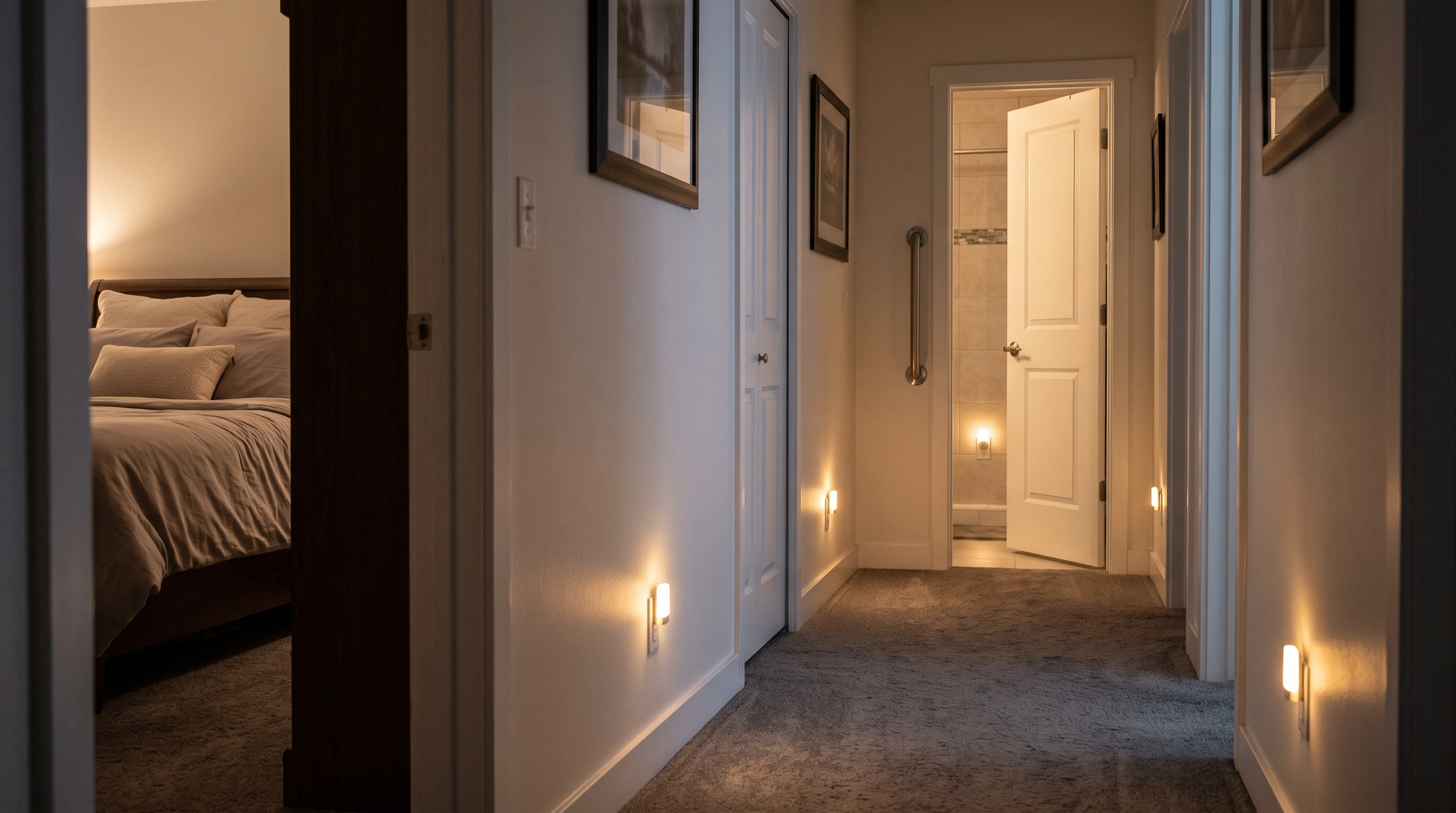
 Getting up in the middle of the night can be surprisingly risky, especially for older adults. Between fading light, feeling groggy from sleep, and shifting balance, a short walk from the bedroom to the bathroom can lead to falls and injuries. Any clutter or small change in flooring can become a trip hazard at night, so it’s not just the environment but also changes in vision, alertness, and physical stability that all pile up after dark.
Nighttime falls are a big concern because they often lead to broken bones and can really knock someone’s confidence. I’m often asked how to make things safer at home, starting with that familiar trip from bed to bathroom. A few small changes can make a big difference in reducing fall risk, especially after hours.
These 10 simple tips can help create a safer, more comfortable routine for seniors and anyone at risk of nighttime falls. I’ve walked this path with loved ones and seen how much it helps to have a clear, well lit path and a few thoughtful tools. Creating a safe environment is key, as it supports independence and provides peace of mind for both seniors and their families.
1. Install Motionactivated Nightlights
Finding your way in a dark room can be tricky, even for someone with excellent eyesight. I recommend motionactivated nightlights in the bedroom, hallway, and bathroom. They light up only when someone moves, so there’s no fumbling for a switch or worrying about wasting electricity. Pick warm, lowglare options that provide steady but gentle light; they’re easy on sleepy eyes and do a great job highlighting possible trip hazards. Motionactivated lighting is also convenient during those moments when your hands may be full or when you’re moving at a slower pace.
2. Create a Completely Clear Path to the Bathroom
Every stray slipper, magazine, or laundry basket becomes a lot more dangerous when you’re only half awake. I always suggest walking the route during the day and moving any clutter, cords, or furniture that could get in the way. The more open the walkway, the easier it is to stay steady, even when you’re groggy. Another helpful tip is to ensure the flooring along this path is slipresistant to further reduce risks, especially if your home has wood or tile floors.
3. Remove Loose Rugs and Runners
Loose rugs are classic slipandtrip culprits. I strongly suggest either removing them from the bedroom and hallway or replacing them with skidproof mats that don’t curl up at the corners. If you have to keep a rug for warmth or comfort, doublecheck that it doesn’t bunch up and always has a grippy, rubber backing to stay flat on the floor. Rugs with bold colors or patterns can sometimes help with visibility, but safety always comes first.
4. Keep Slippers or Shoes Beside the Bed, But Choose the Right Kind
Walking in socks isn’t great on hardwood or tile, but not all slippers are the same. I’ve learned to look for supportive slippers or slipon shoes with nonslip soles and a closed heel. The right pair helps keep steady footing from the first step out of bed, reducing the chance of a fall if feet are cold or surfaces are smooth. Steady, secure shoes also offer a sense of confidence, encouraging safe movement even if someone feels unsteady after waking up at night.
5. Add a Bedside Lamp You Can Reach While Lying Down
No one should need to stand up and stretch to turn on a light. A bedside lamp or wallmounted switch that’s within arm’s reach makes it easy to brighten things up before getting up. Some lamps even have touch controls, which are super handy for anyone with arthritis or grip difficulties. Consider lamps with adjustable brightness or setting timers, so light levels can be matched to nighttime needs without fully waking up the person.
6. Install Grab Bars Near the Toilet and Shower
The bathroom is one of the most common places for slips; wet floors and tight spaces don’t mix with poor balance. I always recommend sturdy, professionally installed grab bars near the toilet and in the shower or next to the bathtub. They give extra support for standing up, sitting down, or steadying yourself if you feel wobbly. Even if someone feels confident during the day, nighttime tiredness can make movements less controlled, so having these supports in place is a real game changer.
7. Consider a Bed Rail or Bedside Support Handle
It’s not just about getting to the bathroom. The very act of standing up from bed can feel shaky for some seniors. Bed rails or bedside support handles make it easier to pull up safely and offer something solid to hold while adjusting to standing. These come in many styles, from simple rails to handles that tuck under or clamp onto the bed frame. Having a support in place lowers the chances of losing balance during one of the most vulnerable moments of the night, and can be easily added without needing to modify the entire bed.
8. Keep Pets and Pet Beds Out of the Walking Path
I love a cozy pet bed by the bed, but pets move around unpredictably at night. A small dog or cat snoozing on the floor, or a fluffy bed that blends into the carpet, can be a major tripping hazard. Try moving pet beds to the side of the room or somewhere you’re unlikely to step over during a nighttime trip. This simple adjustment helps prevent sudden obstacles and keeps everyone, furry and human alike, safer in the dark.
9. Sit on the Edge of the Bed Before Standing
Getting up too quickly can cause dizziness (orthostatic hypotension). I recommend sitting up, pausing for a few deep breaths, and then moving your legs off the bed with feet flat on the ground. Take a moment to be sure any lightheadedness passes before you stand and walk. It’s a simple step but really important for anyone who has ever felt woozy getting up. Taking this moment also allows you to mentally and physically prepare for a safe walk to the bathroom, especially on nights when grogginess hits hard.
10. Review Medications that Might Cause Dizziness or Sleepiness
Medications can sometimes cause sleepiness, disorientation, balance issues, or changes in blood pressure. This is especially true for sleeping pills, certain pain medications, and even some blood pressure drugs. Healthcare professionals, like your doctor or pharmacist, can review all current medications and help find safer alternatives if dizziness, balance issues, or increased falls are a concern. The CDC actually recommends doing this regularly as people get older. It’s a conversation that can make a real difference in nighttime safety. For more tips, you can check guidance from organizations like the CDC’s STEADI initiative. Also, keeping a medication journal or discussing side effects during regular appointments is a proactive approach that supports ongoing safety and well-being.
Every Step Counts for a Safer Night
Preventing falls on the way to the bathroom isn’t about making the home look like a hospital. It’s about building in smart habits and easy tools that make sleep time less dangerous. I’ve seen firsthand how much relief it gives families to know these measures are in place. Swapping out a few things, adding some lights, removing clutter, and checking in with a healthcare provider can create a sleep to bathroom routine that feels both familiar and safe. Even just starting with one or two tips can have a big impact; it’s never too late to try. By putting these steps in place, you can help everyone feel more secure, comfortable, and confident during nighttime hours.